Attribution
The site is built from published epigraphy, archaeological survey records and gazetteers. Most of the underlying literature is old enough to be out of copyright, but that is not the same as being free to reuse, and the two are routinely confused. This page states what may be used and on what terms.
What this site’s own text is
The prose, site descriptions and structured data on this site were written for it, from the sources listed on the Sources page. Short quotations from nineteenth- and early twentieth-century surveys are used as historical documents. Each quotation is credited on the page where it appears.
The 1900 Archaeological Survey inventory is in the public domain, and its wording is reproduced closely because paraphrasing a survey catalogue would lose the specificity that makes it useful.
Works still in copyright
A significant part of the Kakatiya literature is still in copyright. This includes Parabrahma Sastry’s standard monograph (1978), the ICHR Inscriptions of the Kakatiyas of Warangal (2011), and Sathyanarayana Singh’s The Art and Architecture of the Kakatiyas (1999). It also includes Wagoner’s guide (2018) and Yazdani’s Early History of the Deccan (1960).
Facts drawn from these works are cited. Their text, photographs and plans are not reproduced here. Where a fact appears that is widely attested independently, it is sourced to the earliest available record instead.
Images
Every photograph and plan on this site will be credited to its holding institution. Where a licence permits reuse with attribution, that is sufficient. Where an image cannot be reused freely, it is either not included or included with the rights holder’s permission.
The British Library
Deen Dayal photographs of Warangal, including the Thousand Pillar Temple
No known copyright restrictions. The Board of Trustees’ terms apply.
American Institute of Indian Studies, Gurgaon
Thousand Pillar Temple documentation, January–February 1982, by Sankada Prasad
AIIS and UCLA Digital Collections. Licensed for scholarly use with attribution.
Archaeological Survey of India
Survey photographs and site plans
Government of India. Reproduce with attribution where marked.
Wikimedia Commons contributors
Contemporary photographs of Ramappa Temple, Thousand Pillar Temple and Warangal Fort
Each file has its own licence. Check each file and credit the named author.
Kakatiya Heritage Trust
Ramappa Temple imagery, taken by Surendra Kumar
Permission is required. The Wagoner guide is in copyright.
Photographs of Indian temples by living or recently deceased photographers may carry rights independent of the antiquity of the monument. Age of the subject does not place the photograph in the public domain.
Image credits
Every photograph on this site, with its author, source and licence. Each links to the original file and to the licence terms. Images under a Creative Commons licence may be reused under the same terms with the same credit.
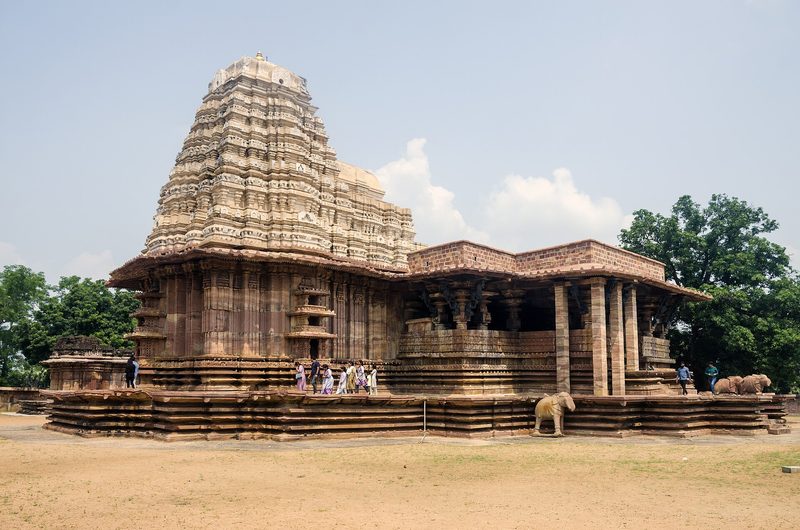
Ramappa Temple
Photo: Rangan Datta Wiki, via Wikimedia Commons · CC BY-SA 4.0
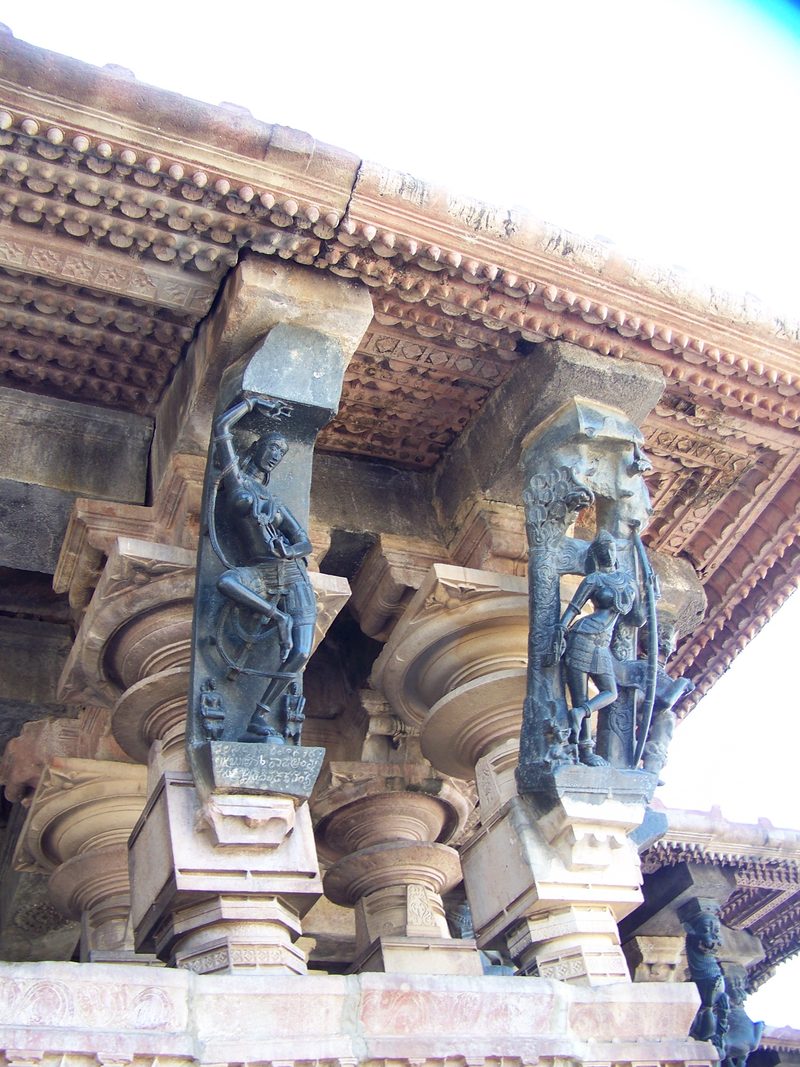
Ramappa Temple
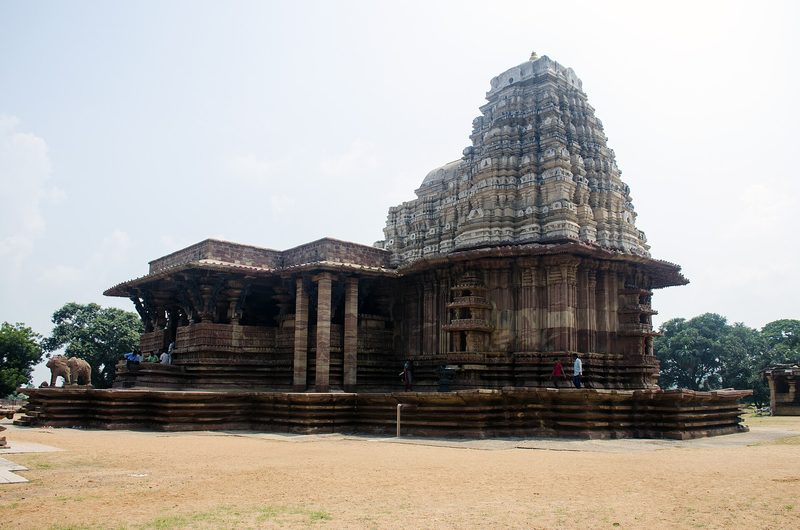
Ramappa Temple
Photo: Rangan Datta Wiki, via Wikimedia Commons · CC BY-SA 4.0
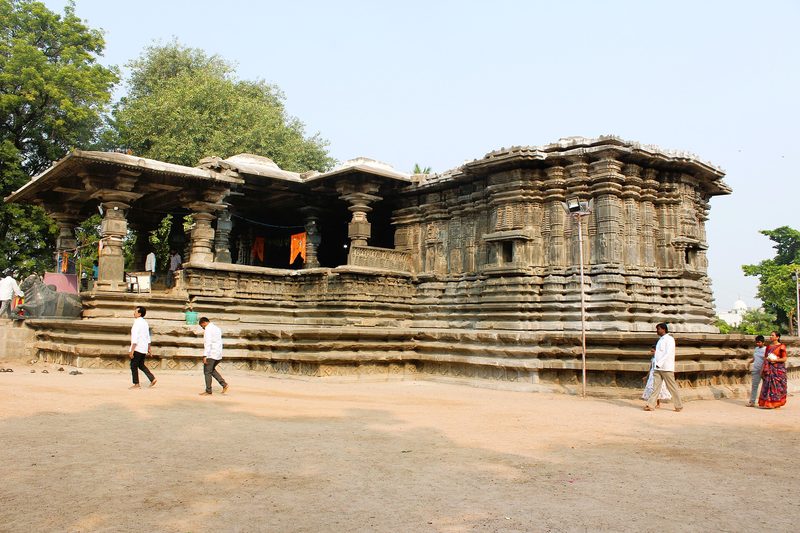
Thousand Pillar Temple
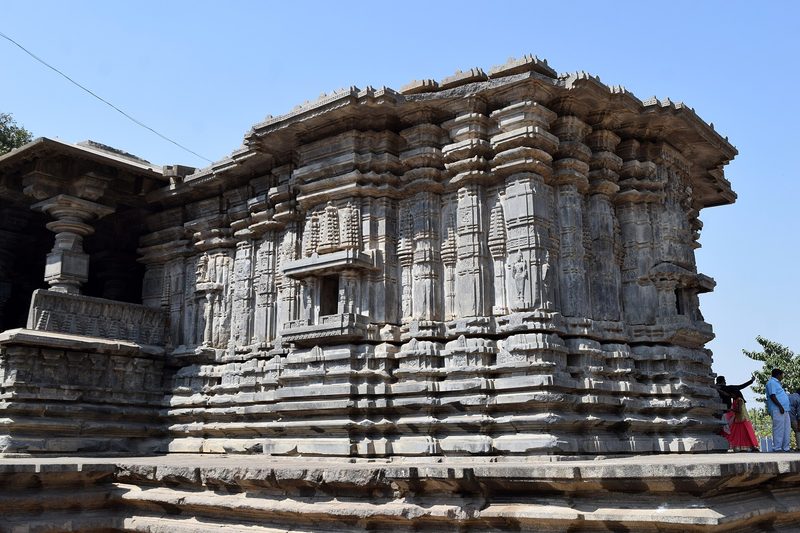
Thousand Pillar Temple
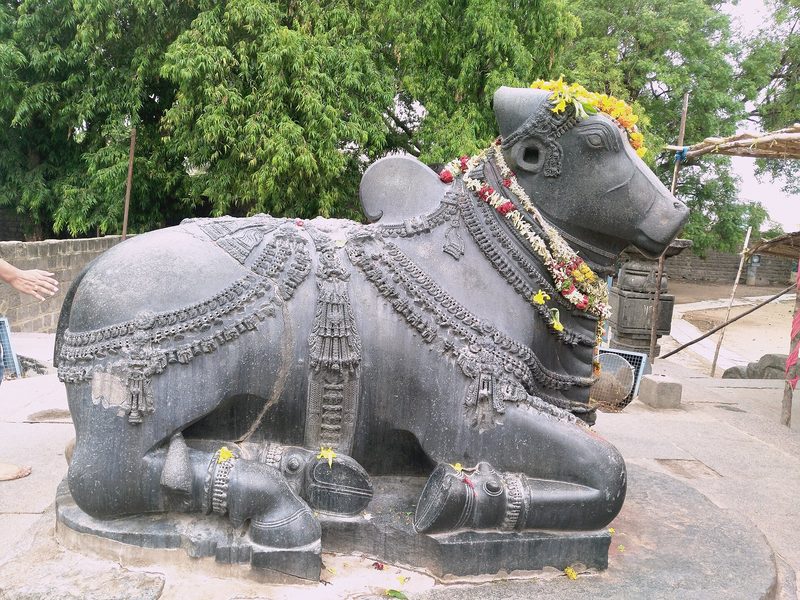
Thousand Pillar Temple
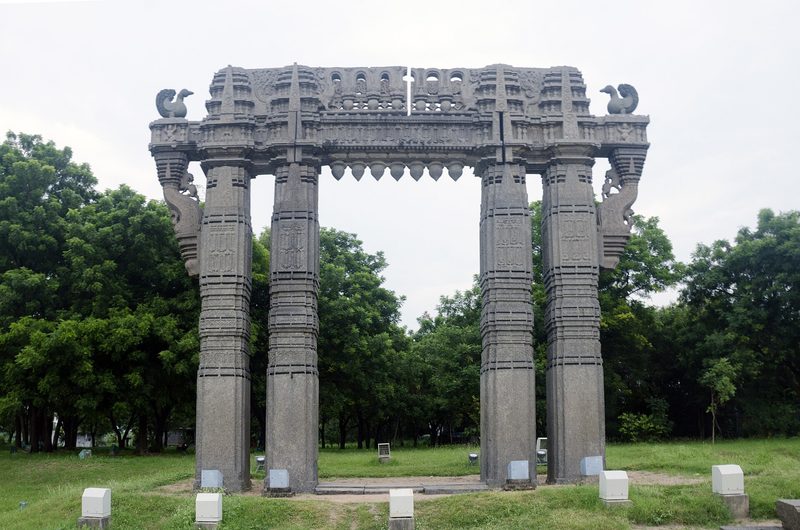
Warangal Fort
Photo: Rangan Datta Wiki, via Wikimedia Commons · CC BY-SA 4.0
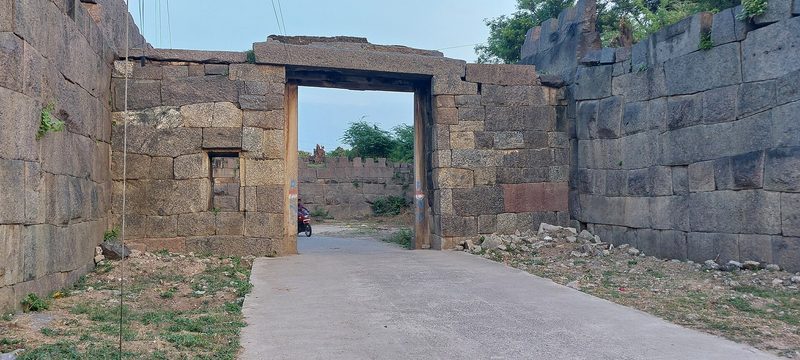
Warangal Fort
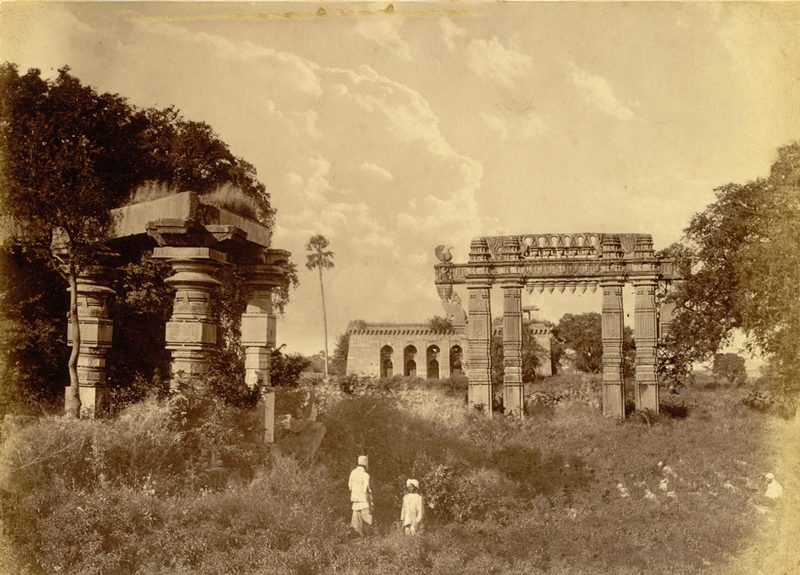
Warangal Fort
Photo: unknown photographer, published 1875 (Lee-Warner Collection, British Library), via Wikimedia Commons · Public domain
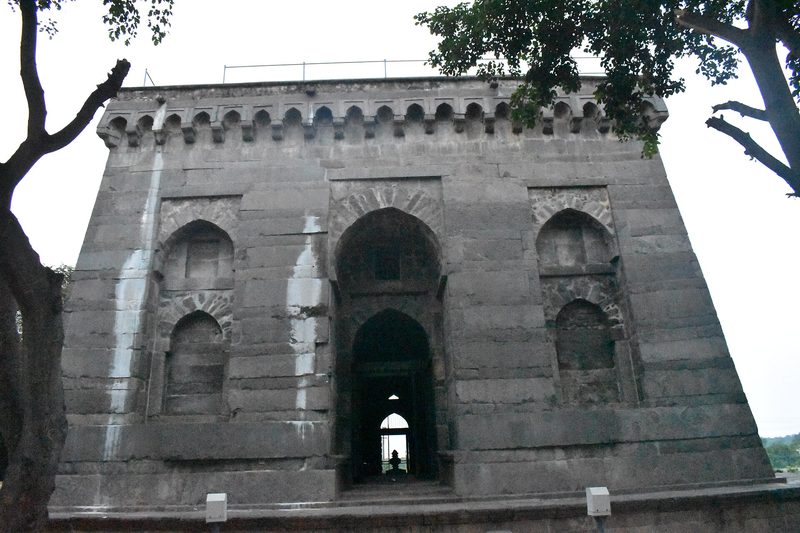
Khasi Mahal
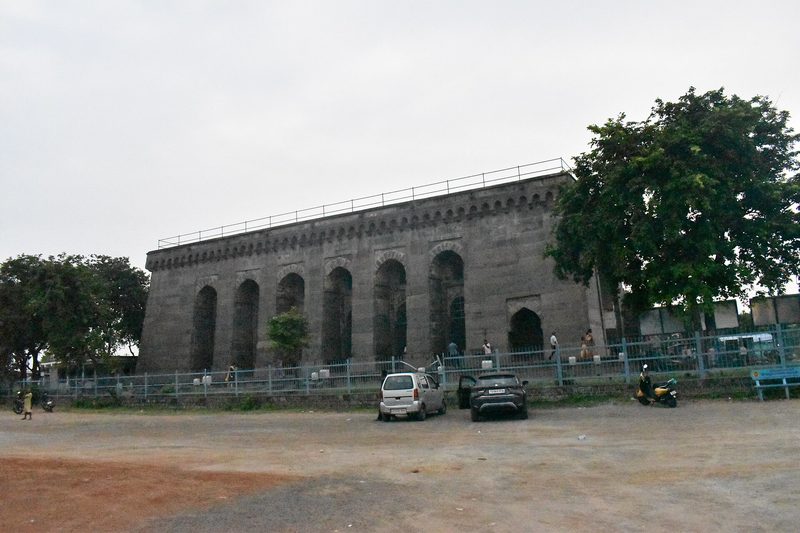
Khasi Mahal
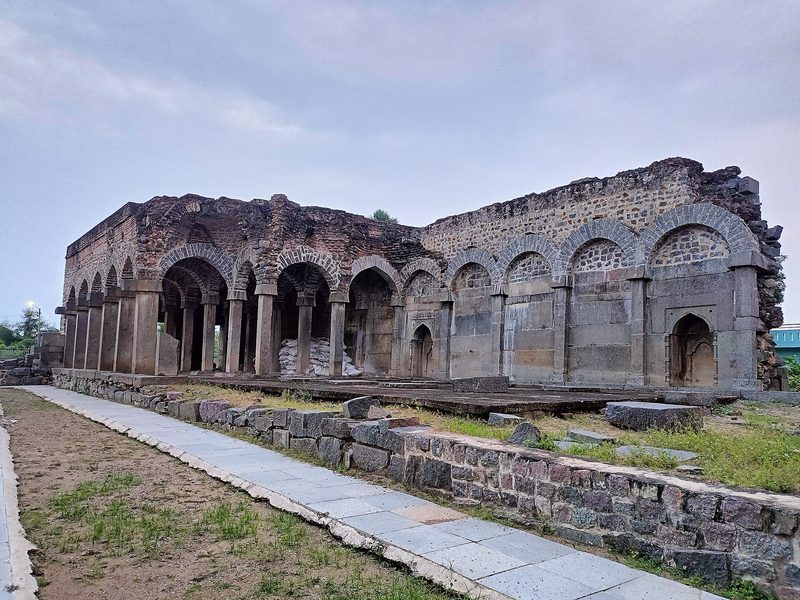
Konda Masjid
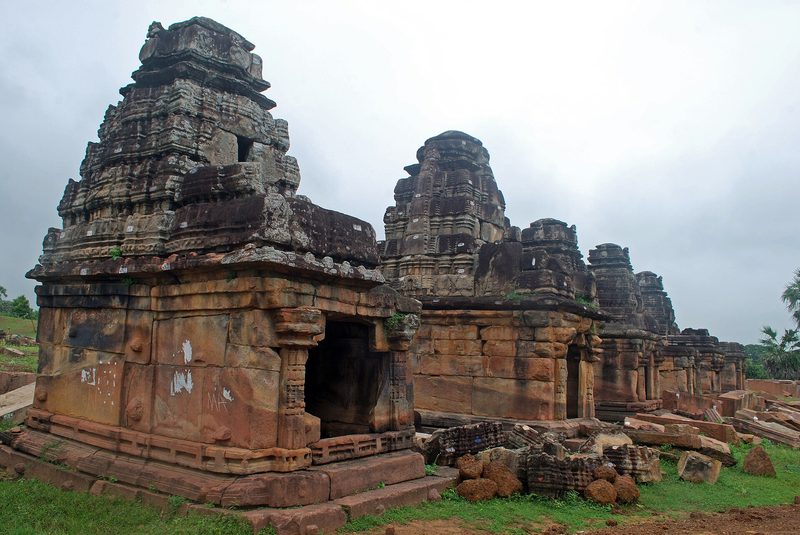
Ghanpur Temple Complex
Photo: Rangan Datta Wiki, via Wikimedia Commons · CC BY-SA 4.0
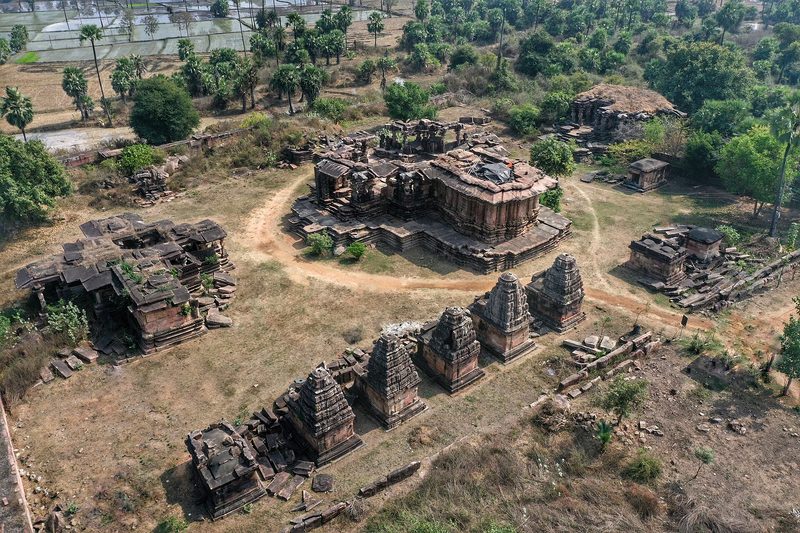
Ghanpur Temple Complex
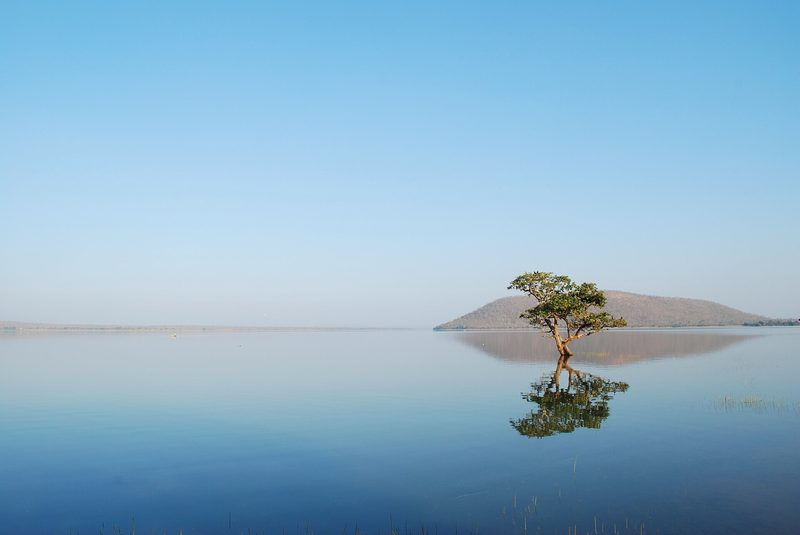
Pakhal Lake
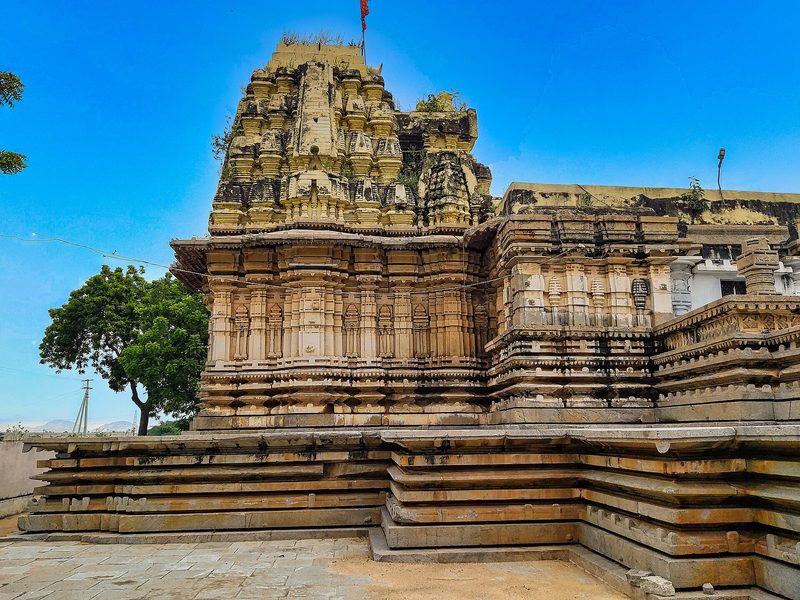
Pillalamarri Temples
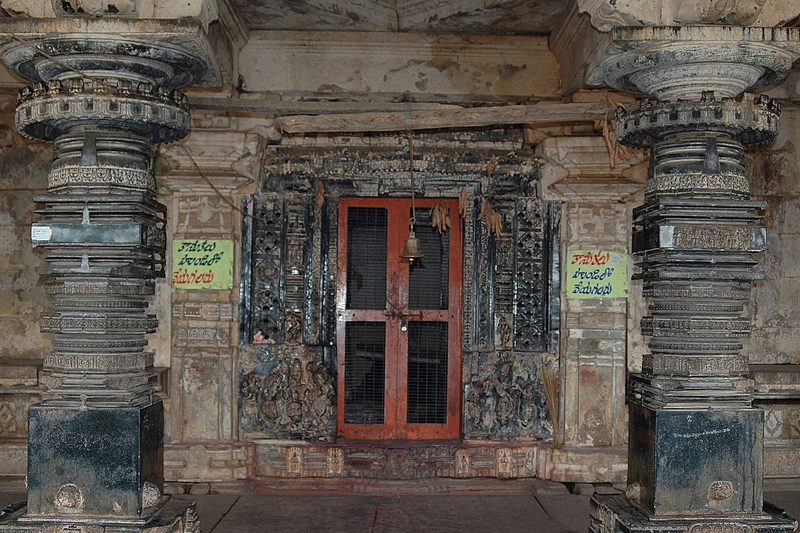
Pillalamarri Temples
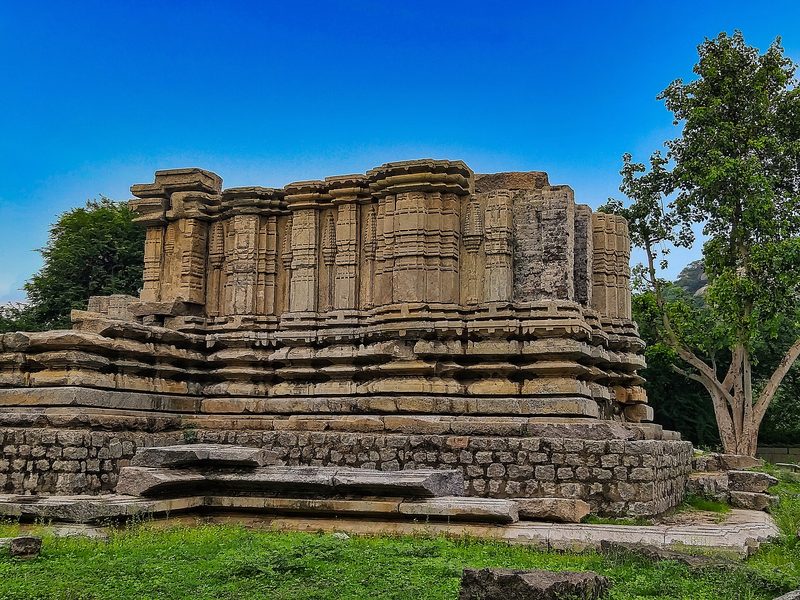
Neddigonda Temple
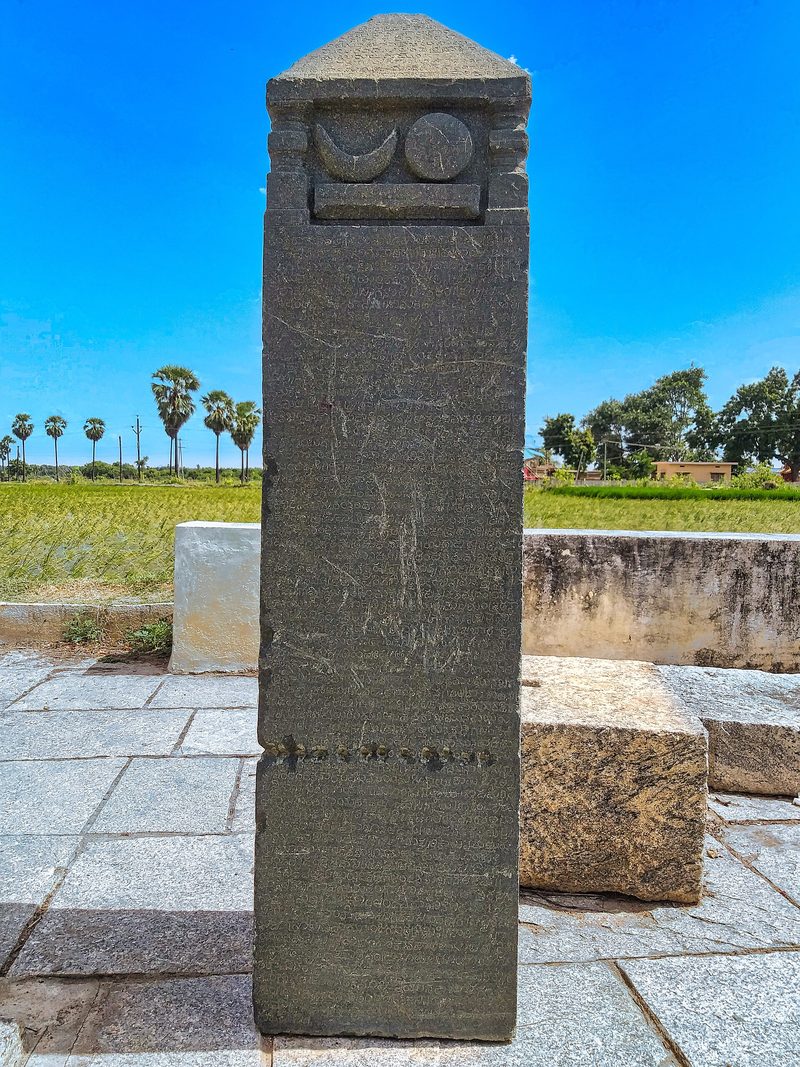
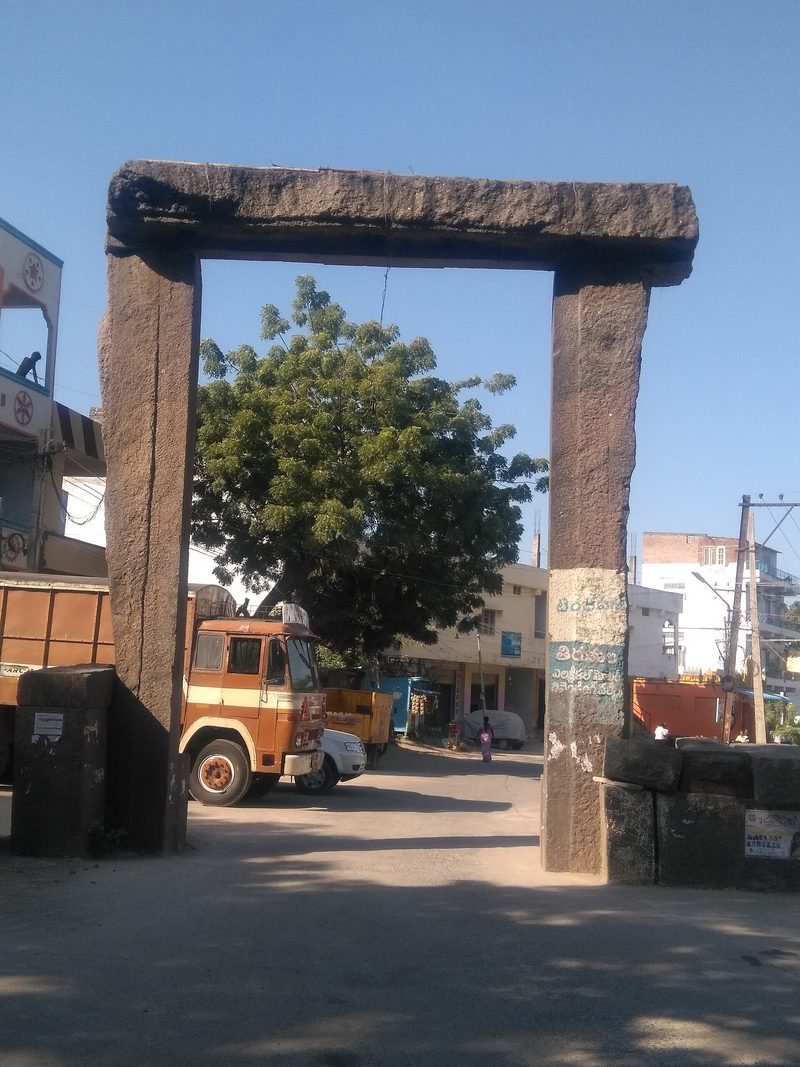
Kusumanchi Inscribed Column
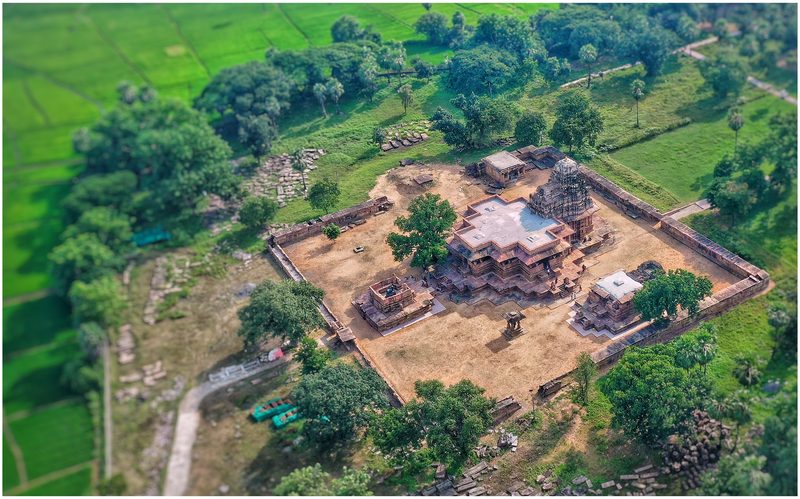
Ramappa Temple
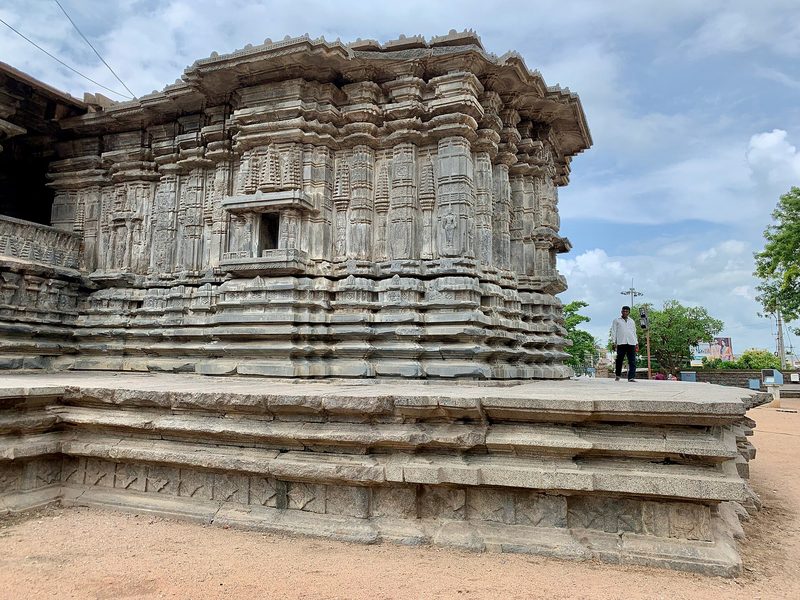
Thousand Pillar Temple
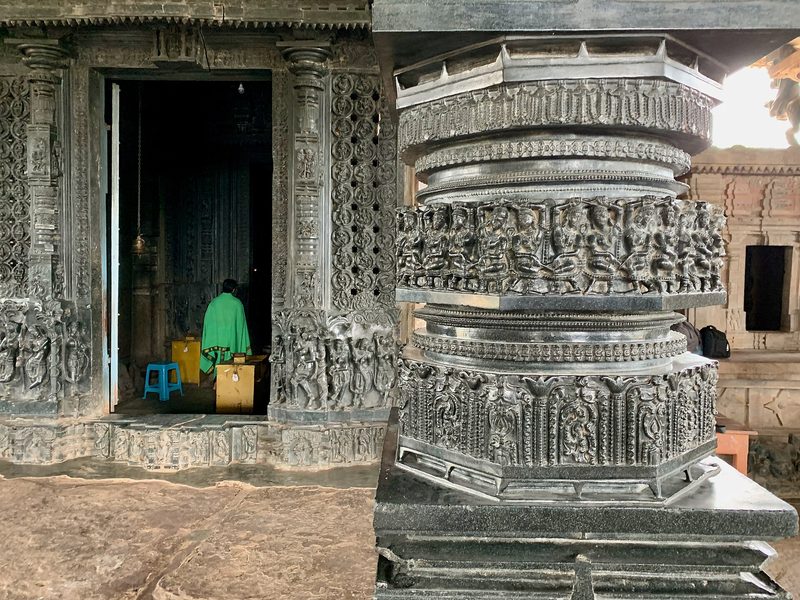
Ramappa Temple
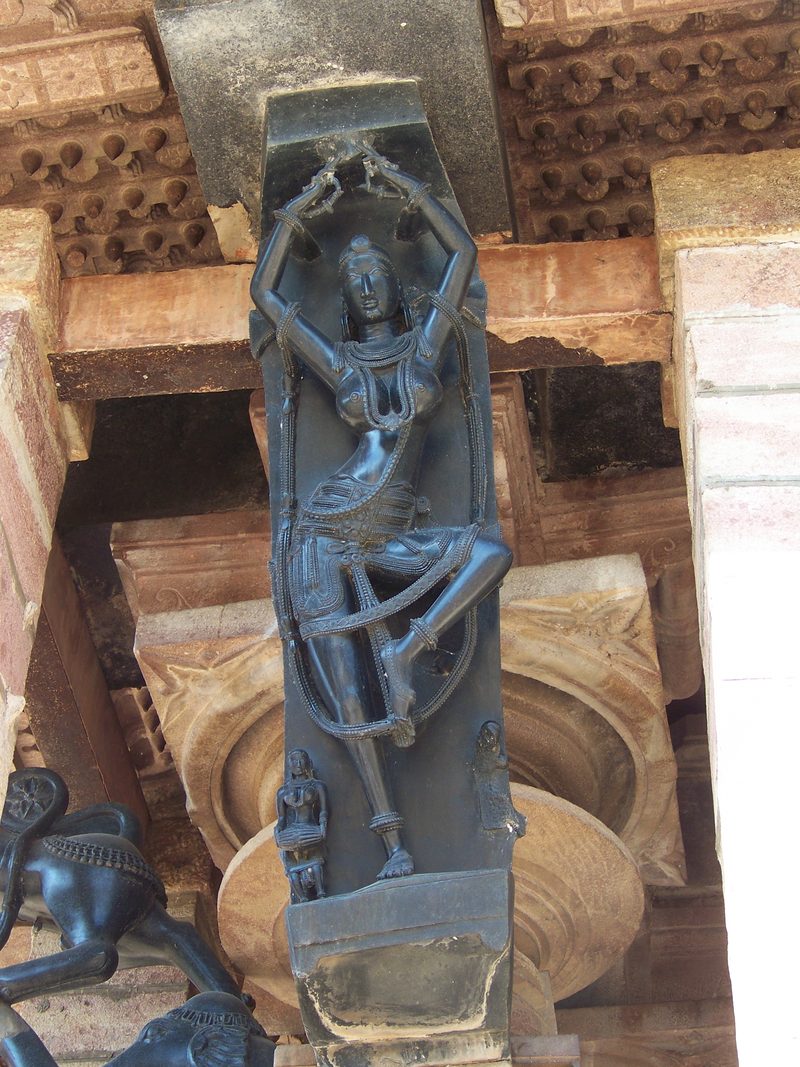
Ramappa Temple
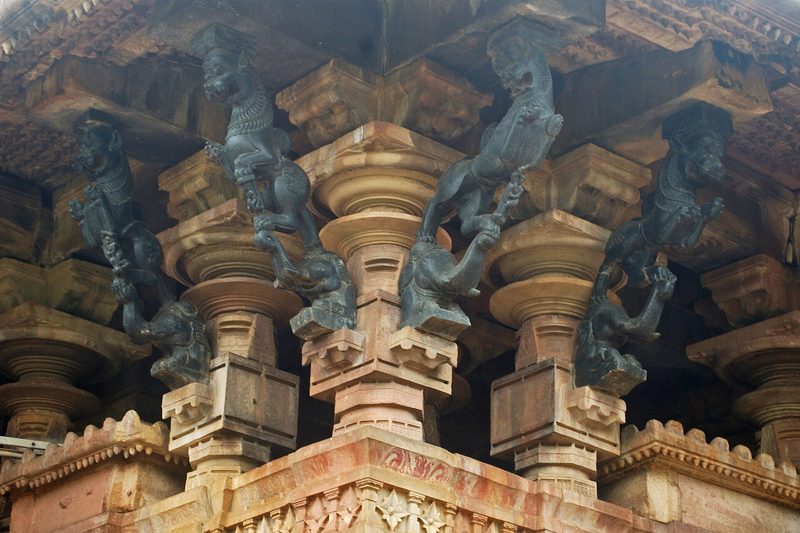
Ramappa Temple
Photo: Rangan Datta Wiki, via Wikimedia Commons · CC BY-SA 4.0
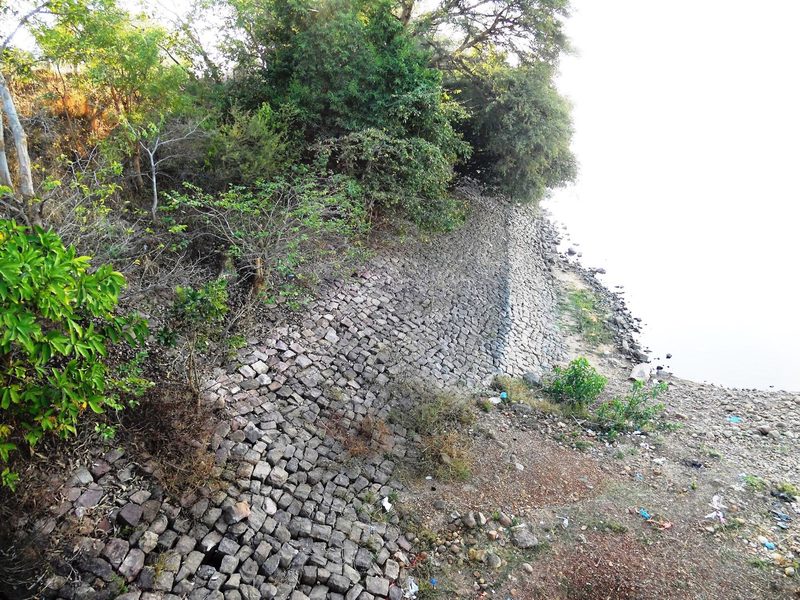
Ramappa Temple
Photo: Thirumal Prasad Patil, via Wikimedia Commons · CC BY-SA 4.0
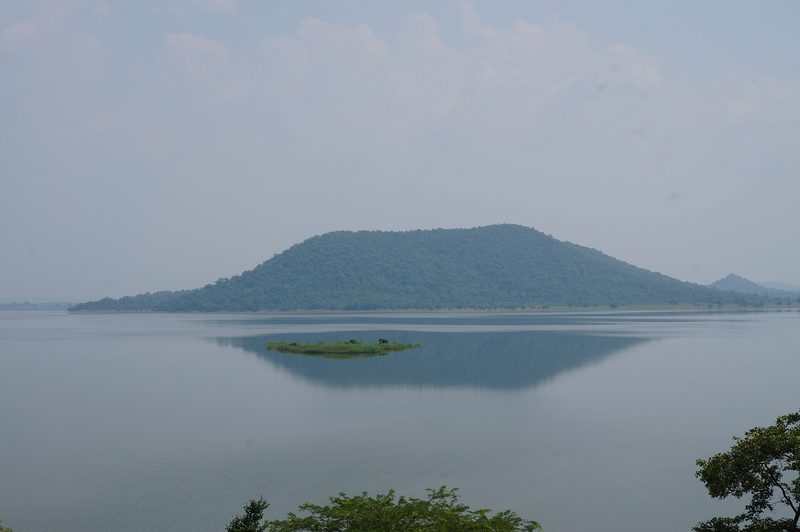
Pakhal Lake
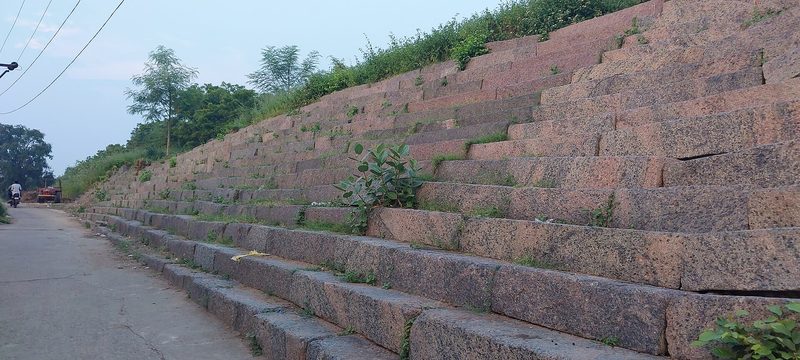
Warangal Fort
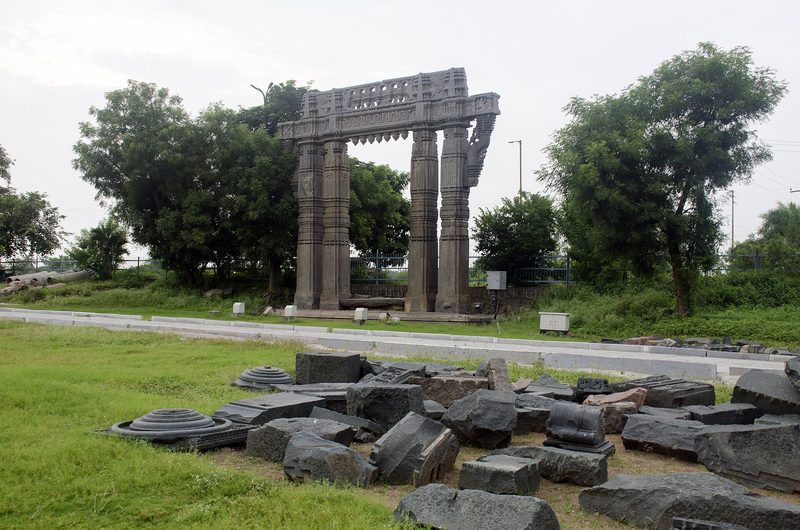
Warangal Fort
Photo: Rangan Datta Wiki, via Wikimedia Commons · CC BY-SA 4.0
Anumakonda Fort
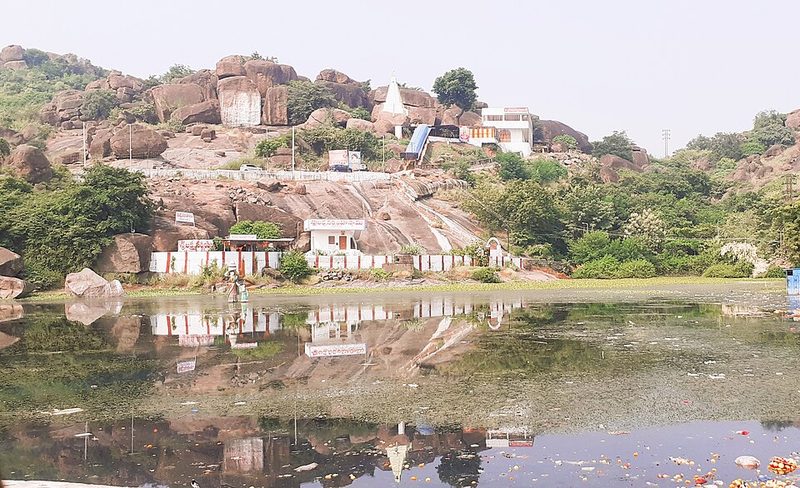
Padmakshi Temple
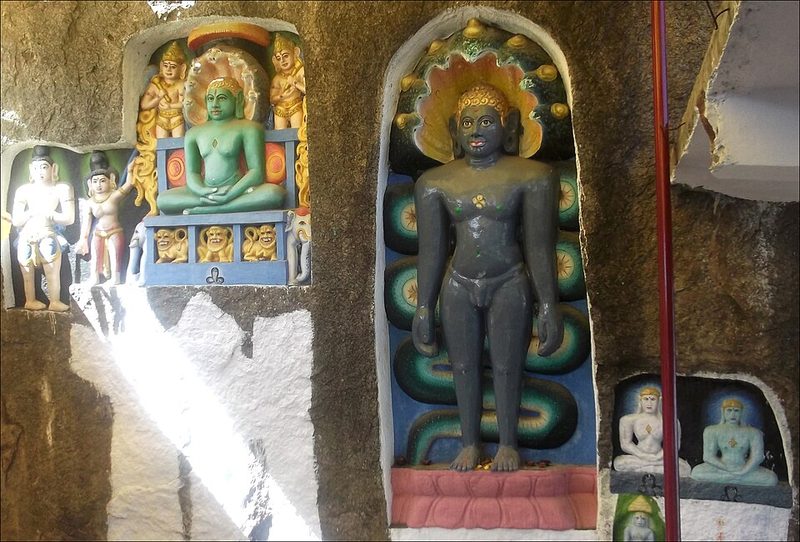
Padmakshi Temple
Photo: R.Karthika Raju, via Wikimedia Commons · CC BY-SA 4.0
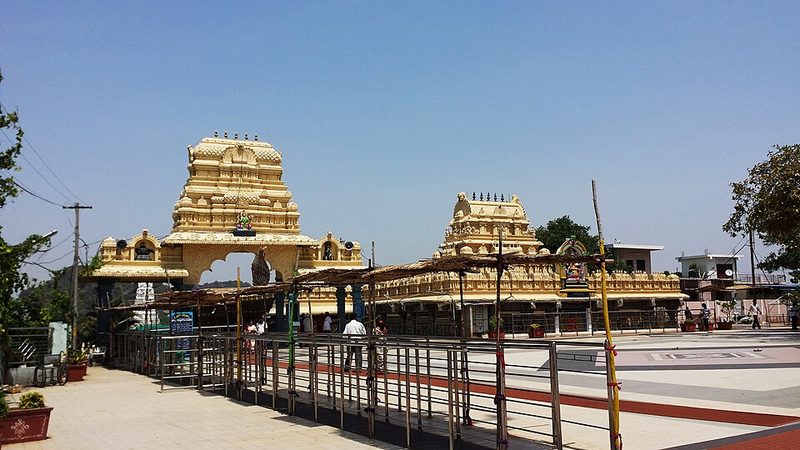
Bhadrakali Temple
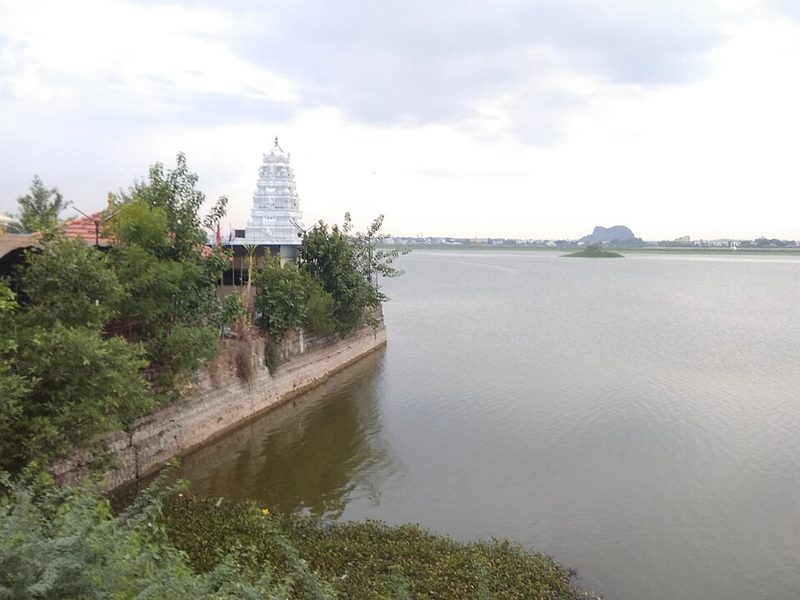
Bhadrakali Temple
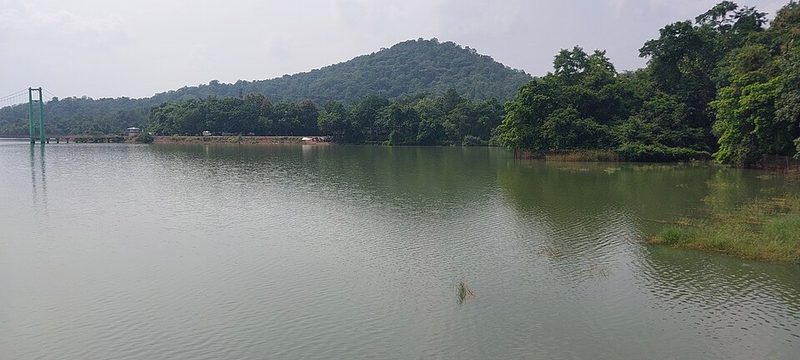
Laknavaram Lake
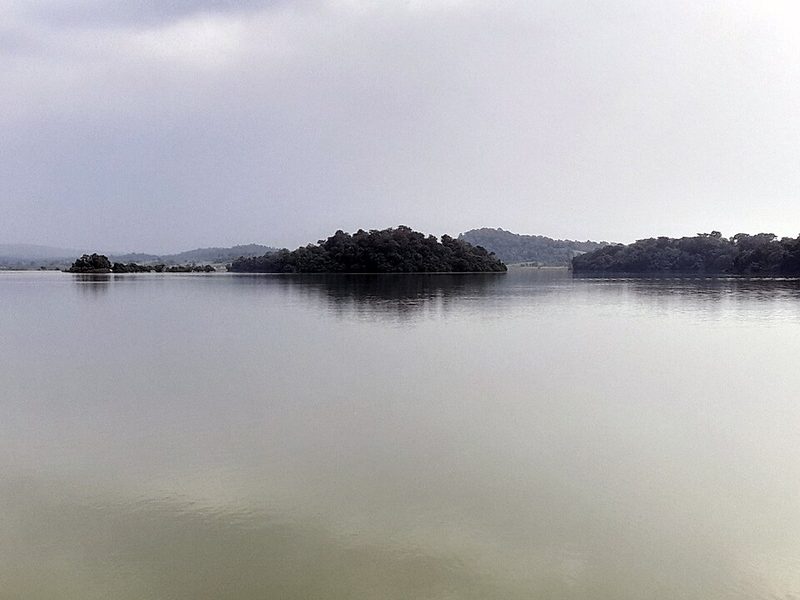
Laknavaram Lake
Photo: Rangan Datta Wiki, via Wikimedia Commons · CC BY-SA 4.0
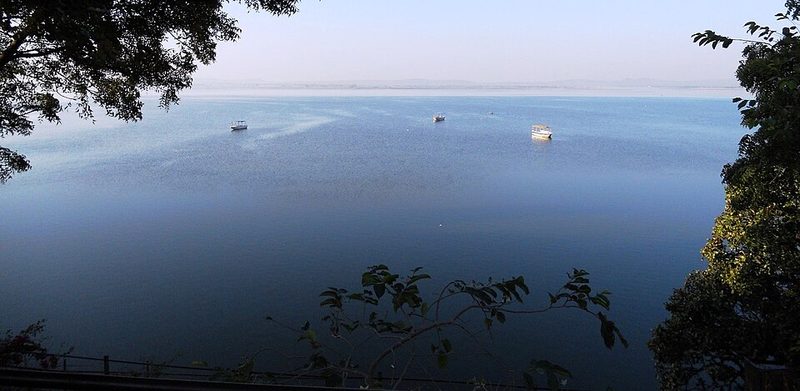
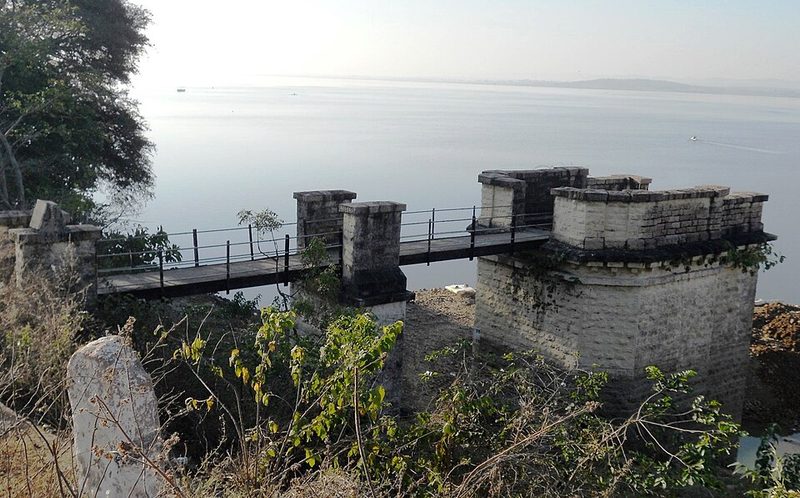
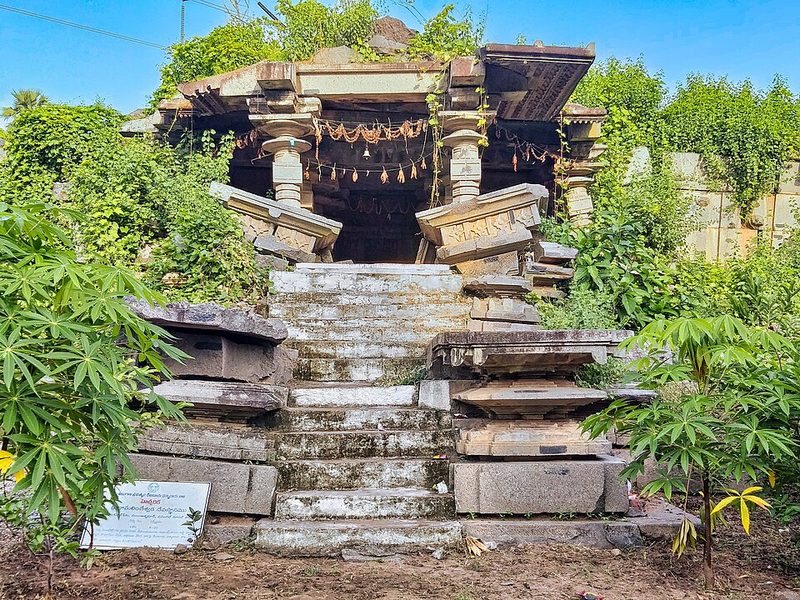
Katakshapur Temples
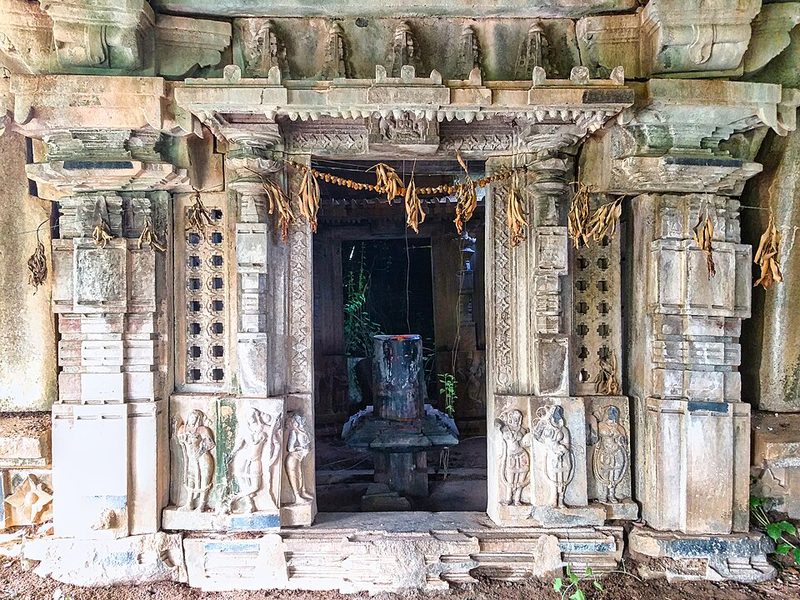
Katakshapur Temples
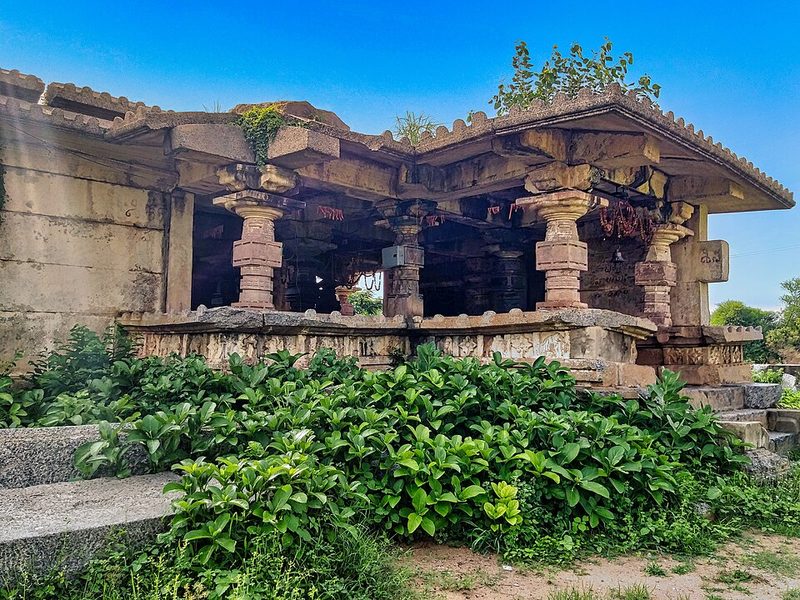
Uparpalle Temples
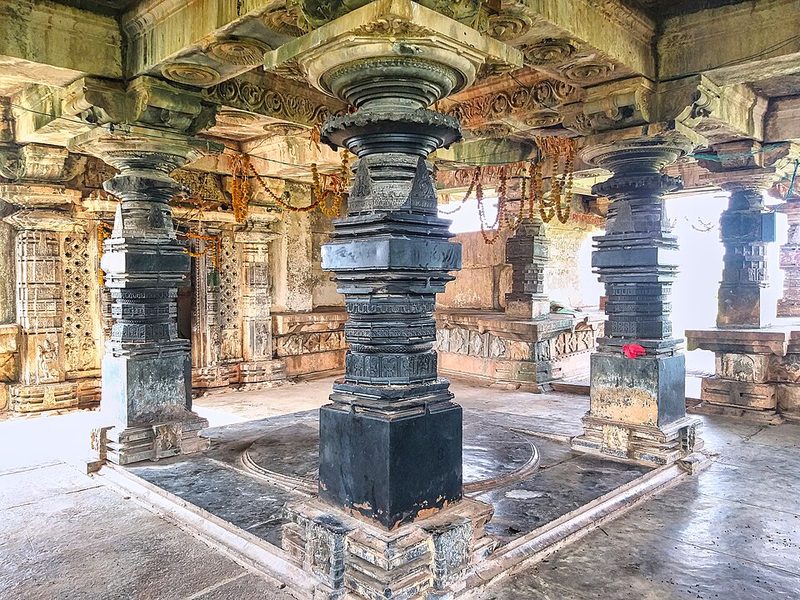
Uparpalle Temples
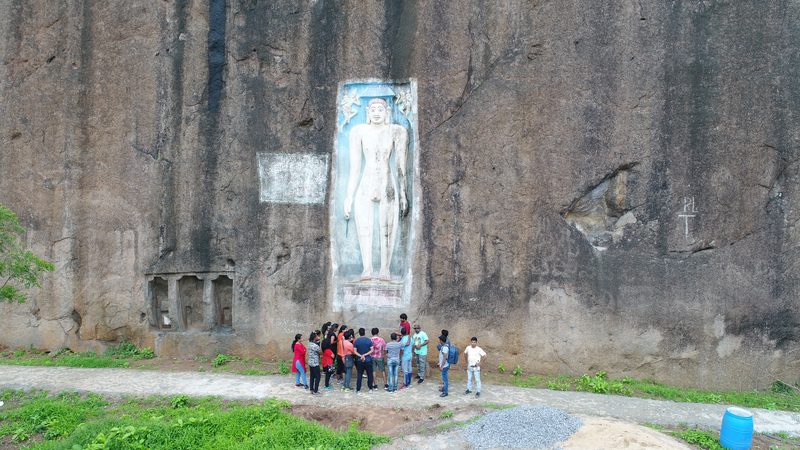
Aggalayya Gutta
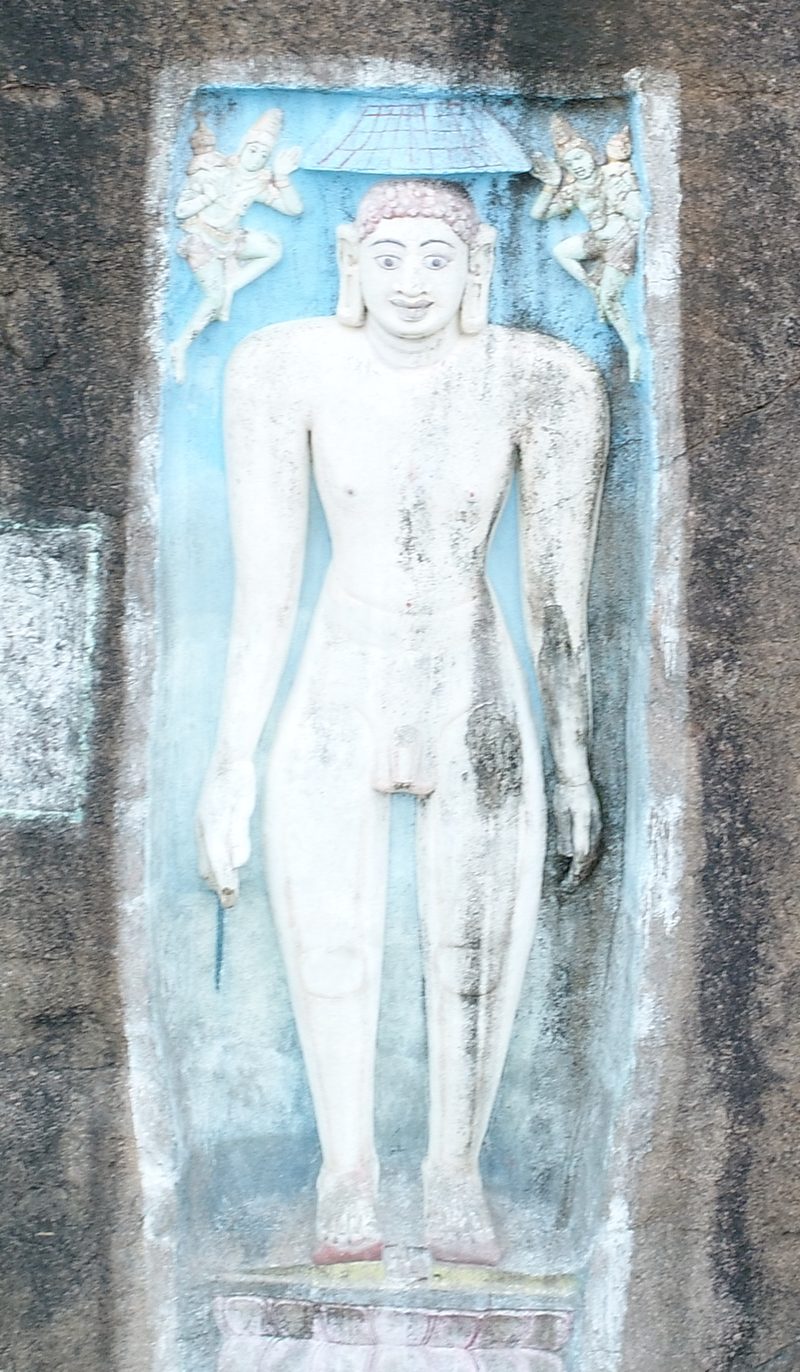
Aggalayya Gutta
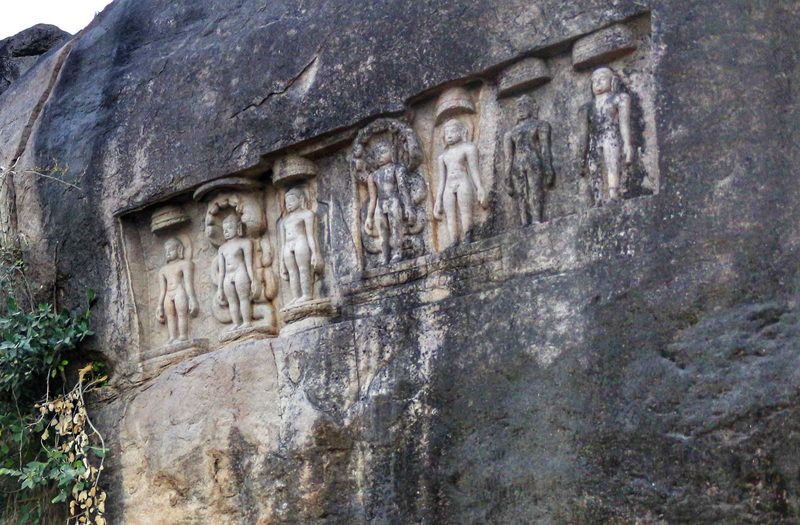
Aggalayya Gutta
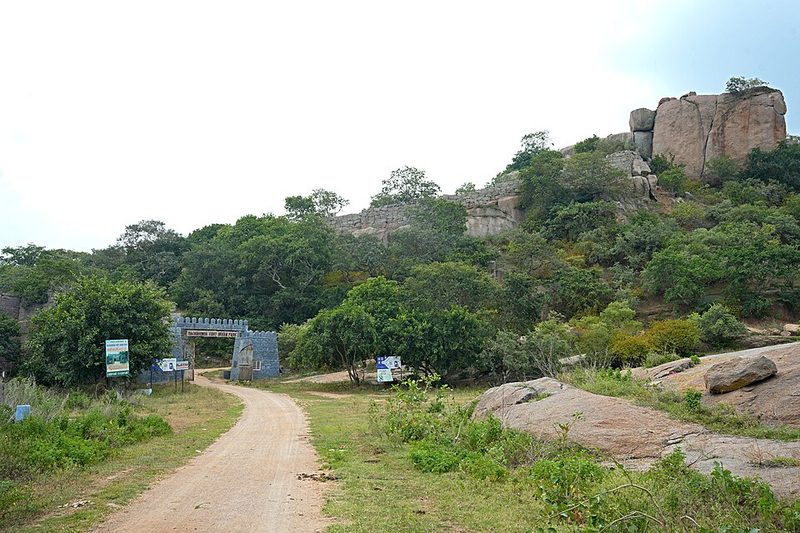
Rachakonda Fort
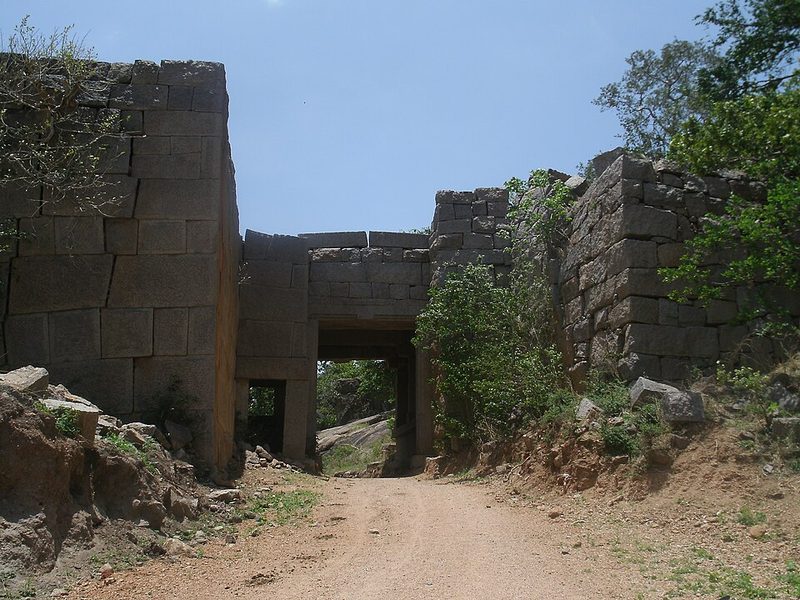
Rachakonda Fort
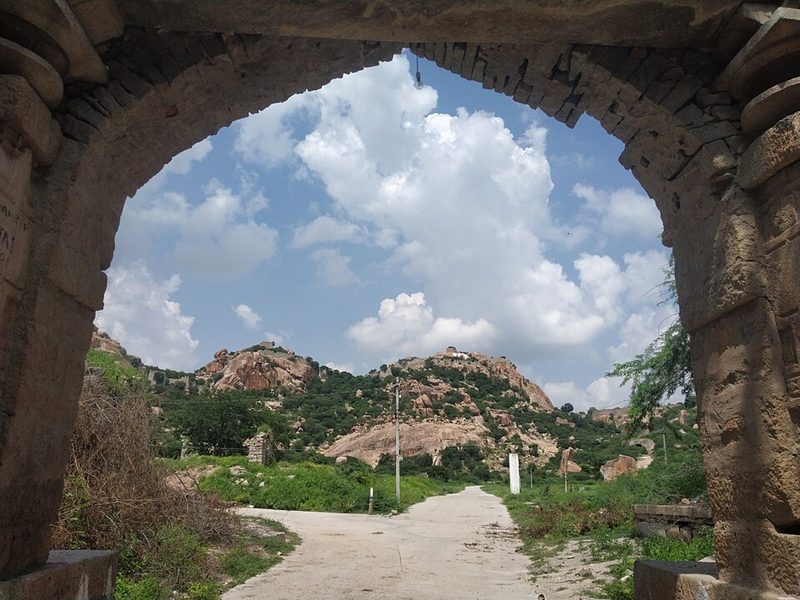
Devarakonda Fort
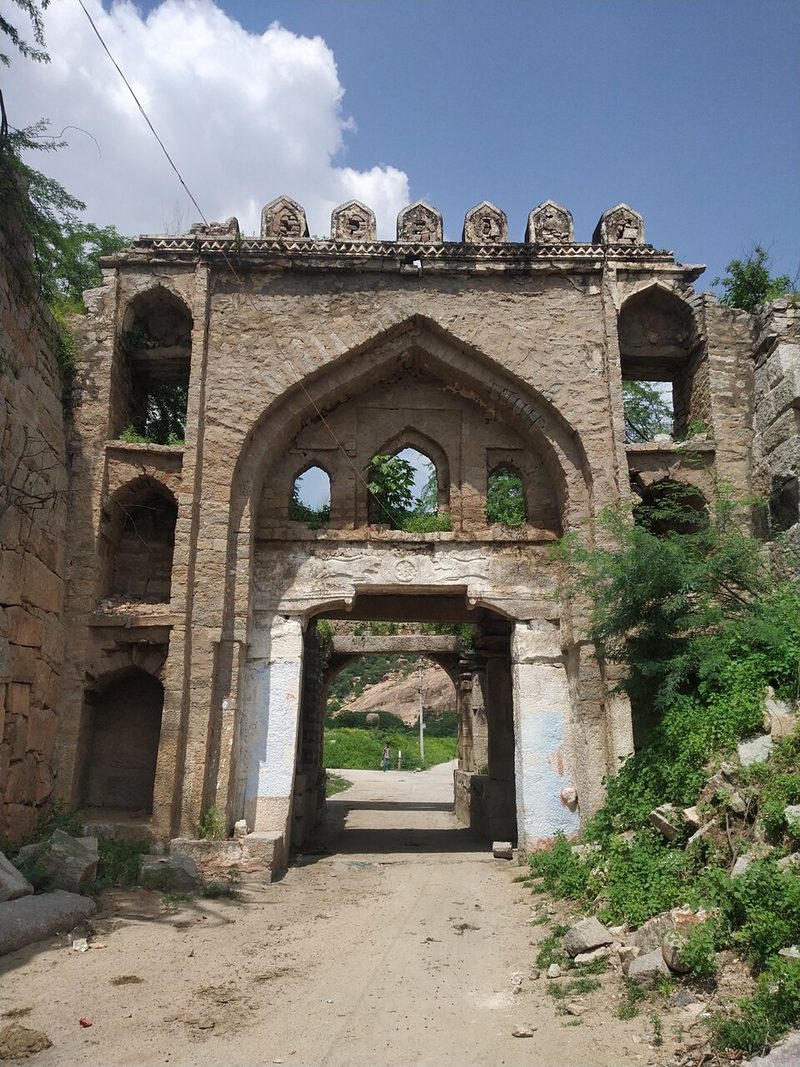
Devarakonda Fort
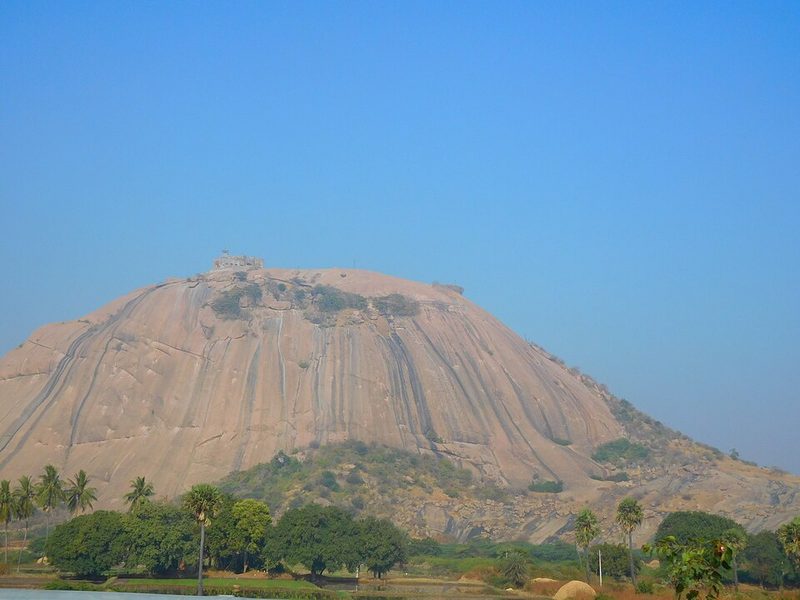
Bhongir Fort
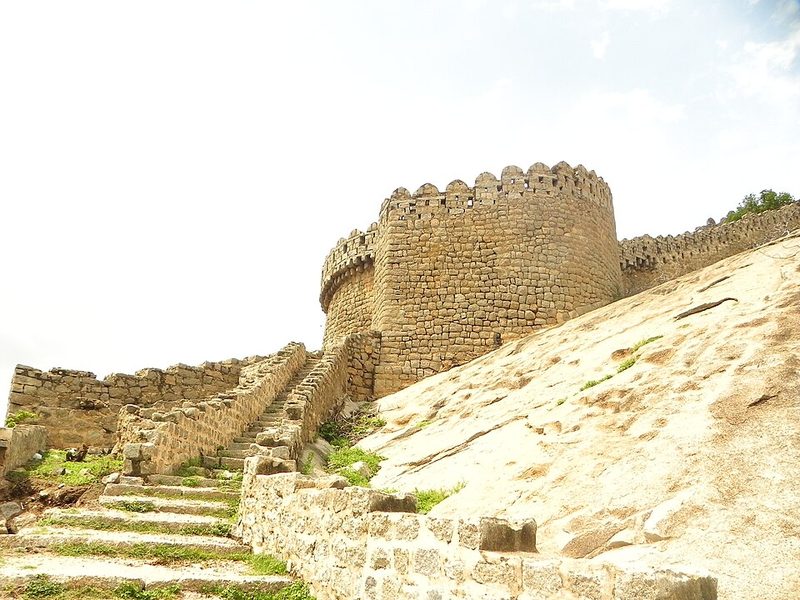
Bhongir Fort
Photo: Gaurav.alaspure, via Wikimedia Commons · CC BY-SA 3.0
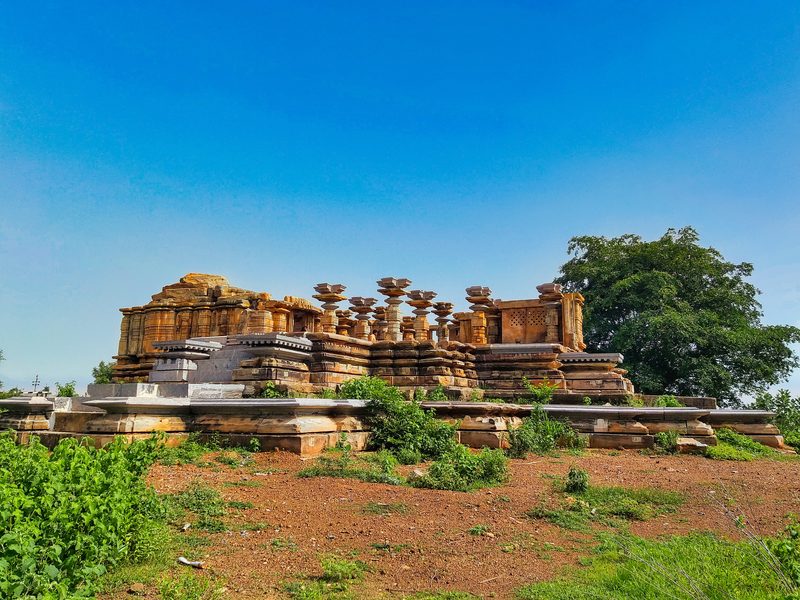
Jakaram Temple
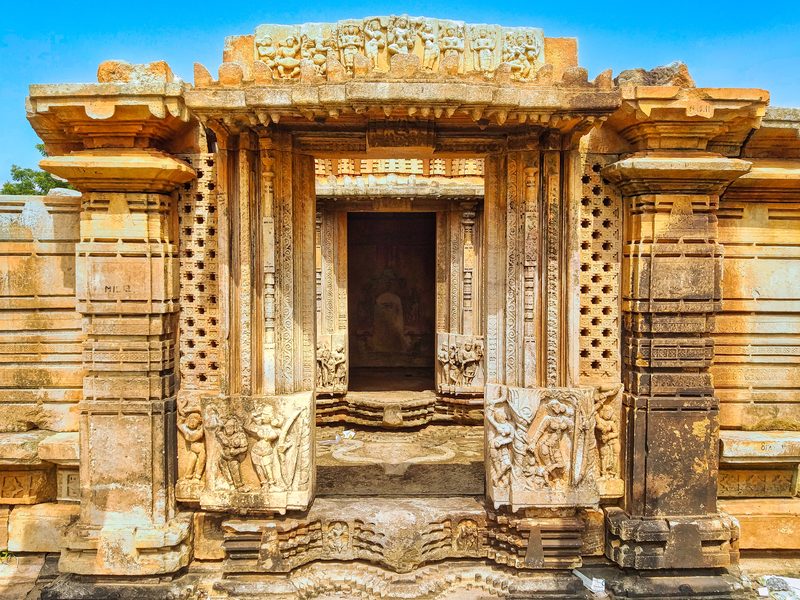
Jakaram Temple
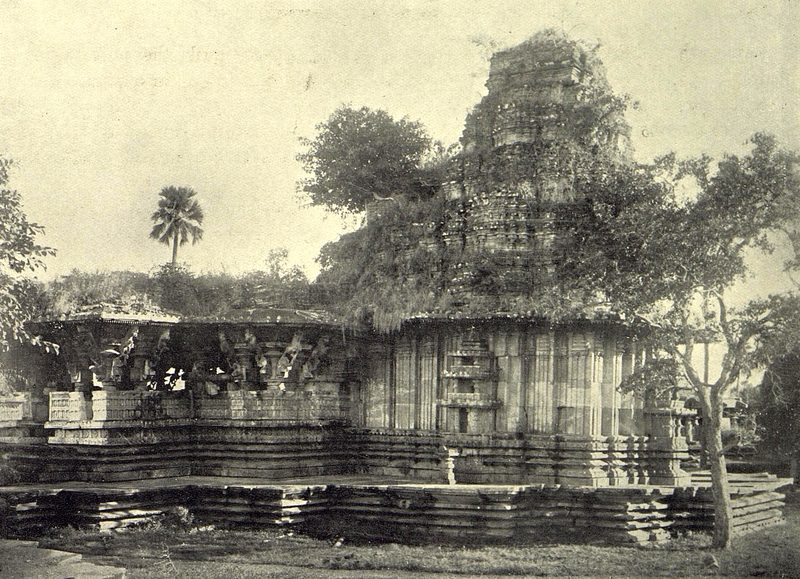
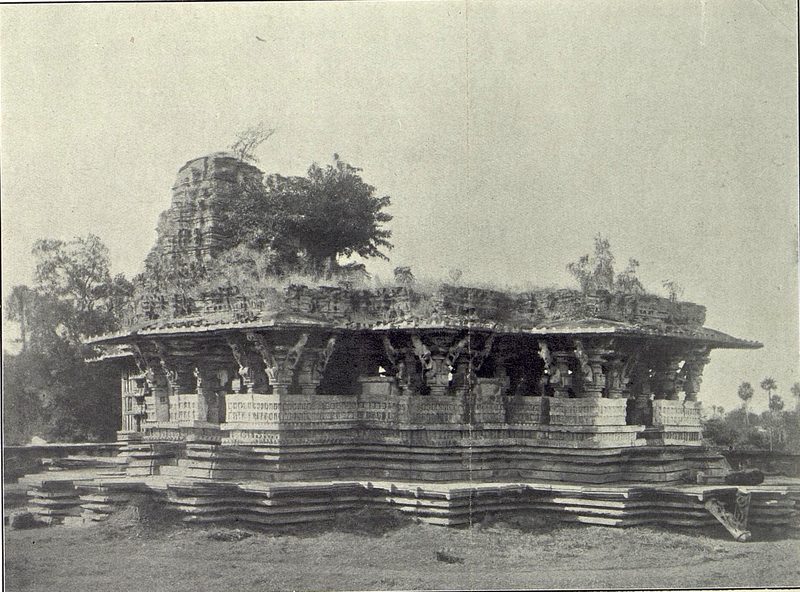
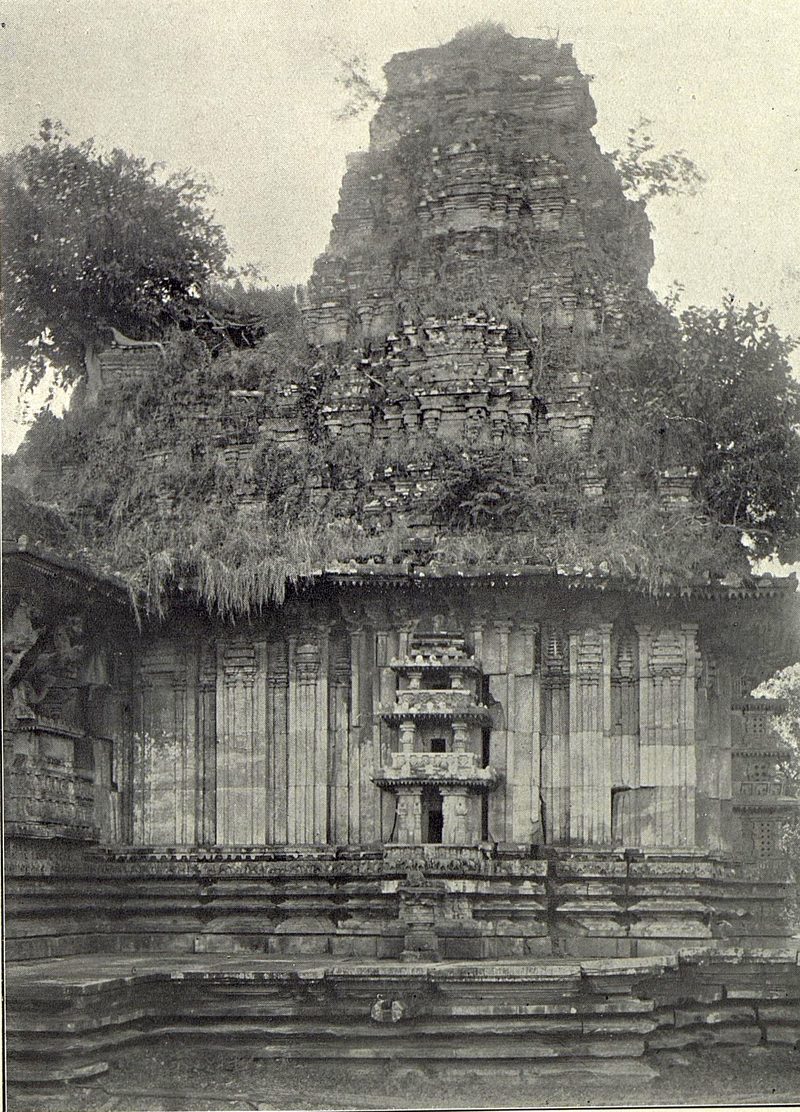
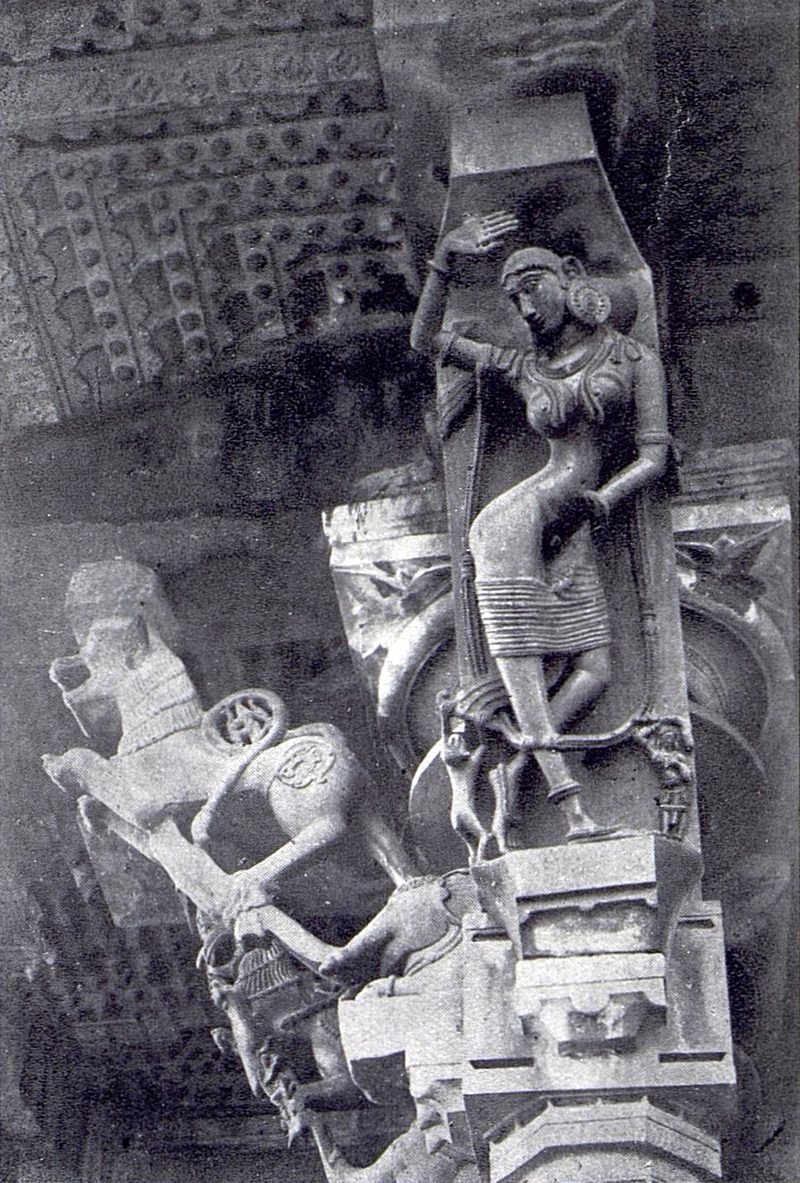
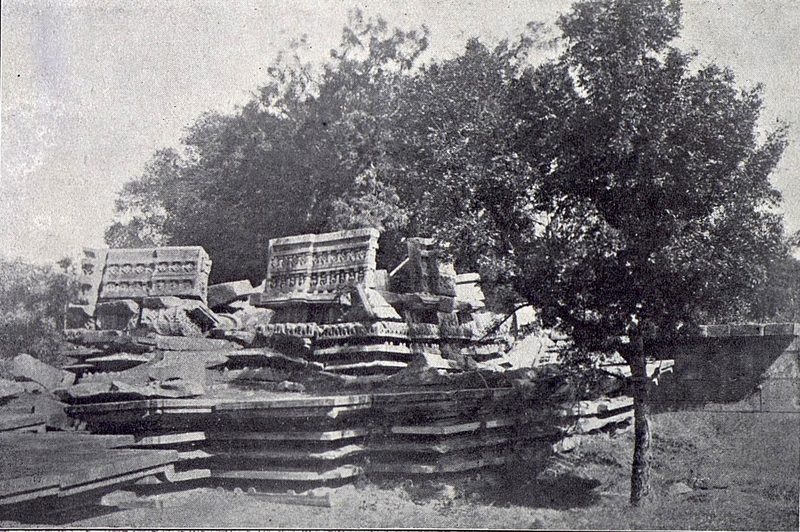
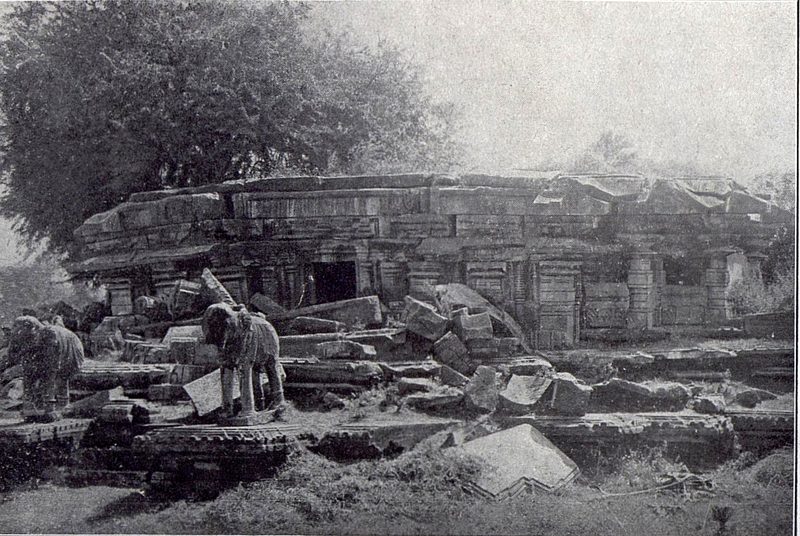
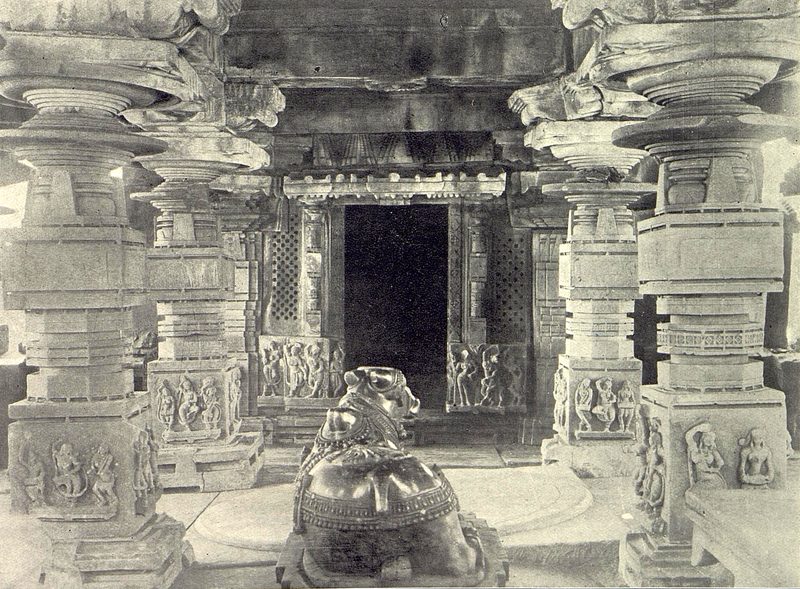
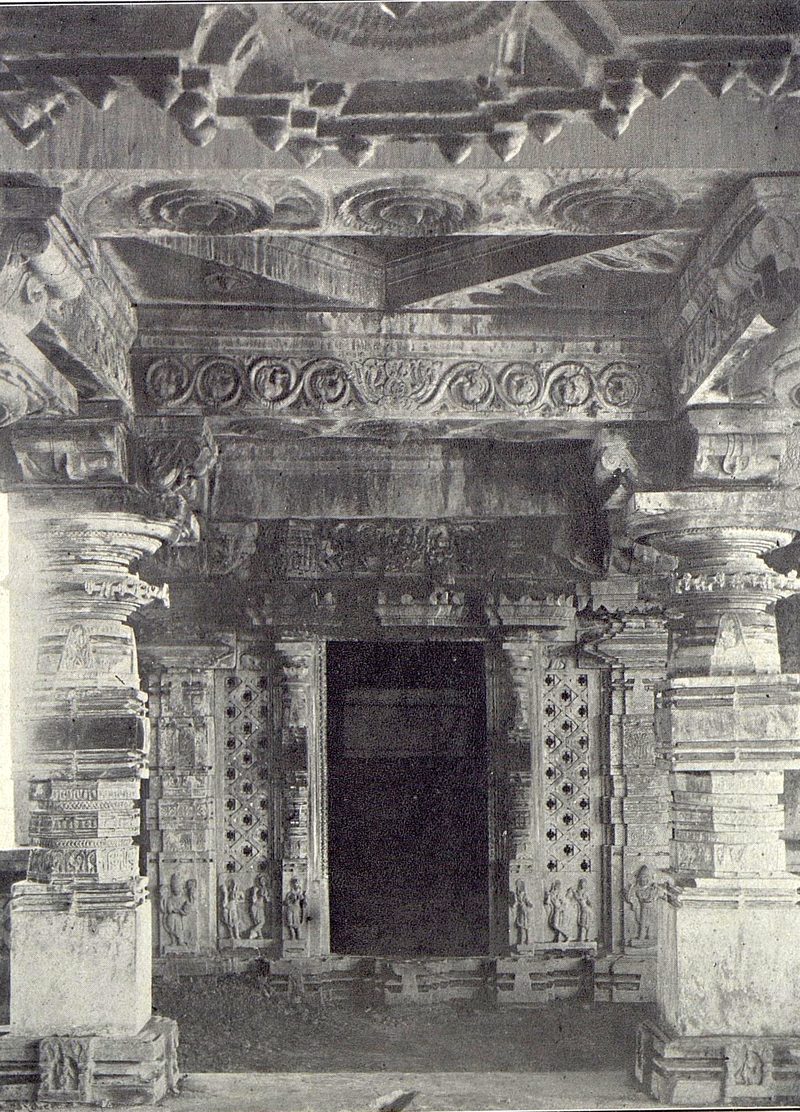
Uparpalle Temples
Photo: Hyderabad Archaeological Department, The Temples at Palampet (Memoirs of the Archaeological Survey of India 6), 1922 · Public domain
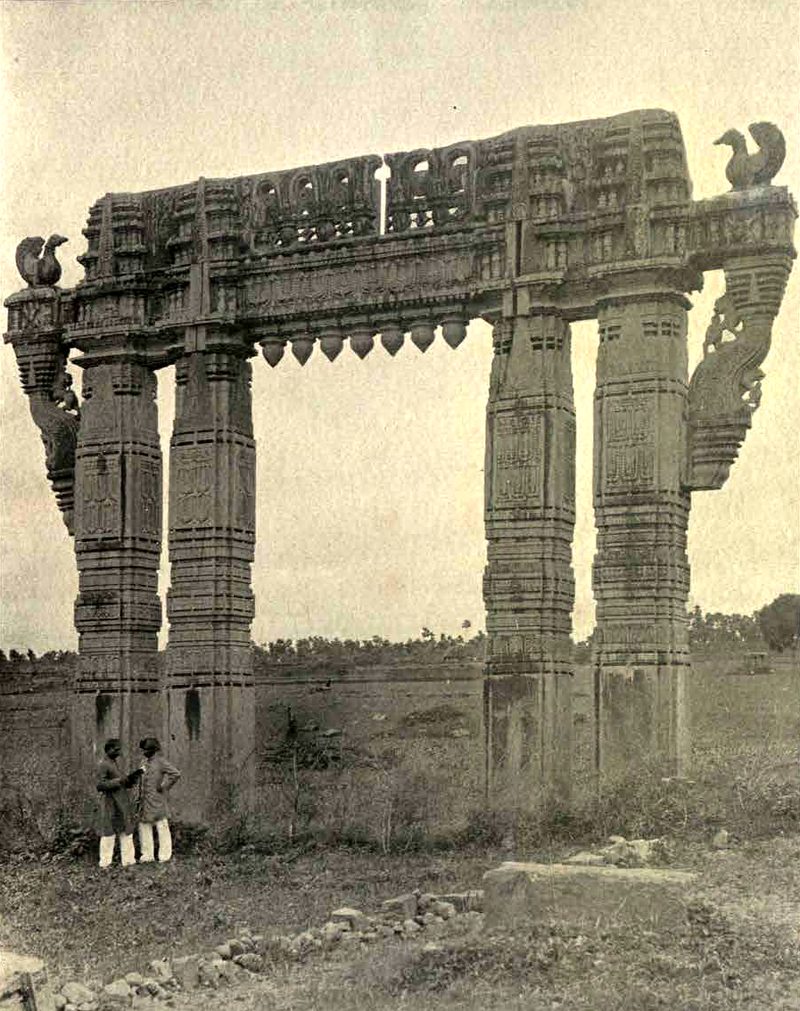
Warangal Fort
Photo: unknown photographer, Glimpses of the Nizam's Dominions (A. Claude Campbell), 1898 · Public domain
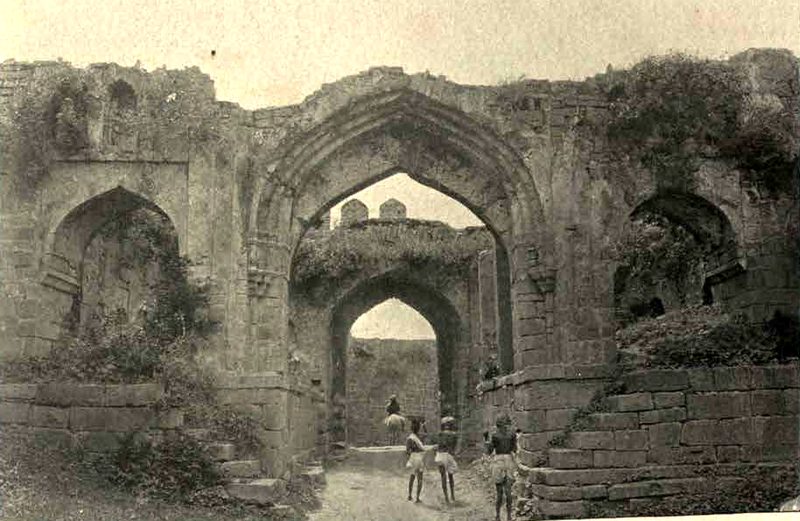
Warangal Fort
Photo: unknown photographer, Glimpses of the Nizam's Dominions (A. Claude Campbell), 1898 · Public domain
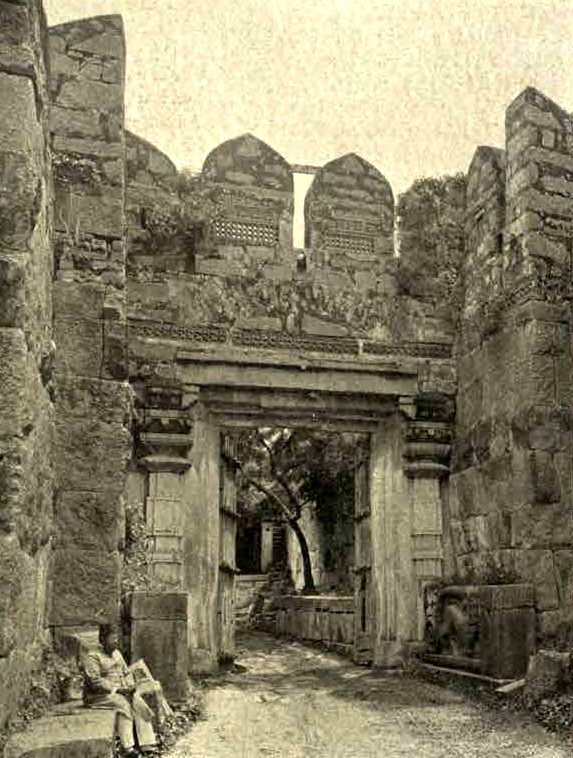
Warangal Fort
Photo: unknown photographer, Glimpses of the Nizam's Dominions (A. Claude Campbell), 1898 · Public domain
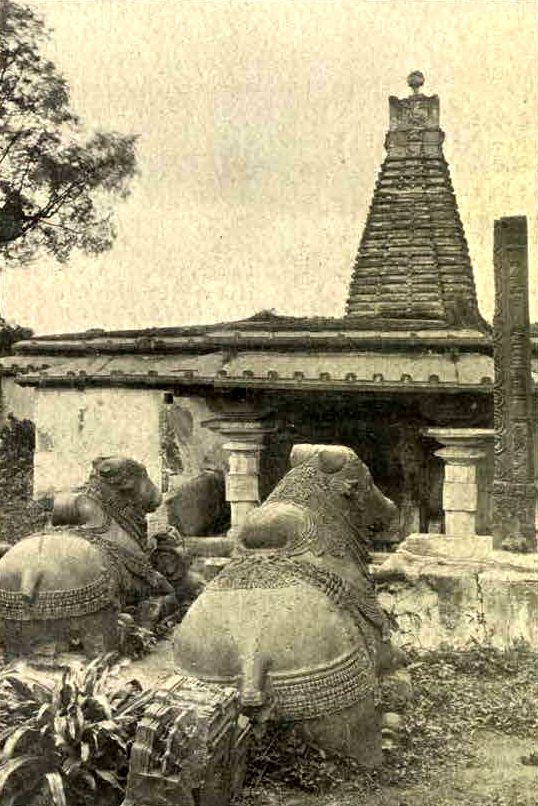
Warangal Fort
Photo: unknown photographer, Glimpses of the Nizam's Dominions (A. Claude Campbell), 1898 · Public domain
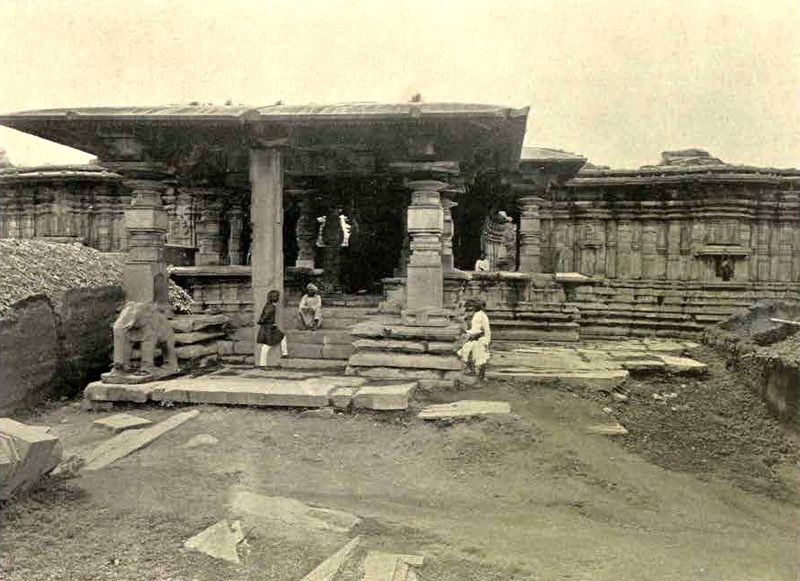
Thousand Pillar Temple
Photo: unknown photographer, Glimpses of the Nizam's Dominions (A. Claude Campbell), 1898 · Public domain
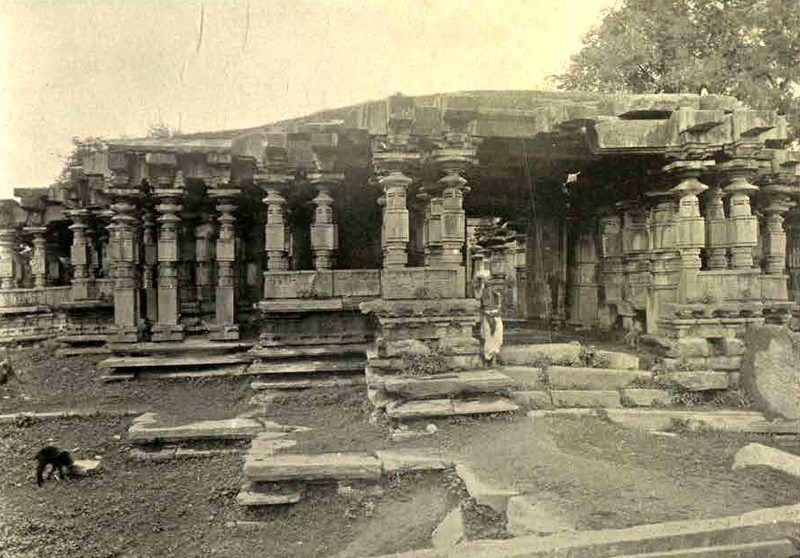
Thousand Pillar Temple
Photo: unknown photographer, Glimpses of the Nizam's Dominions (A. Claude Campbell), 1898 · Public domain
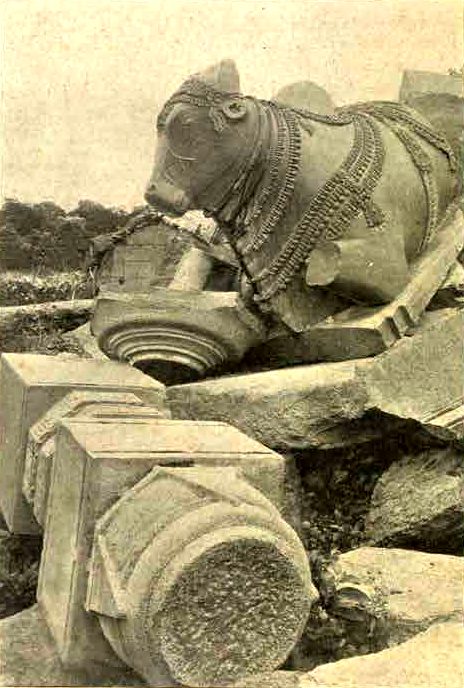
Thousand Pillar Temple
Photo: unknown photographer, Glimpses of the Nizam's Dominions (A. Claude Campbell), 1898 · Public domain
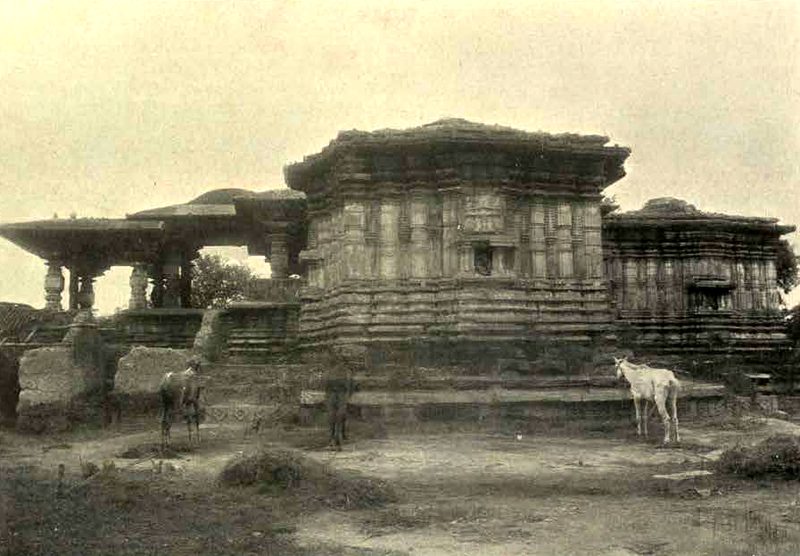
Thousand Pillar Temple
Photo: unknown photographer, Glimpses of the Nizam's Dominions (A. Claude Campbell), 1898 · Public domain
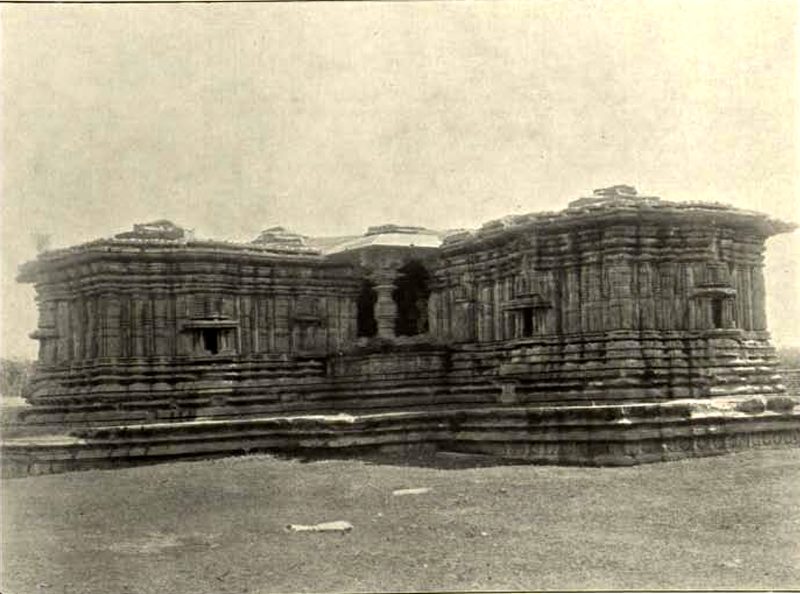
Thousand Pillar Temple
Photo: Hyderabad Archaeological Department, Annual Report of the Archaeological Department of H.H. the Nizam's Dominions for 1915-16, 1917 · Public domain
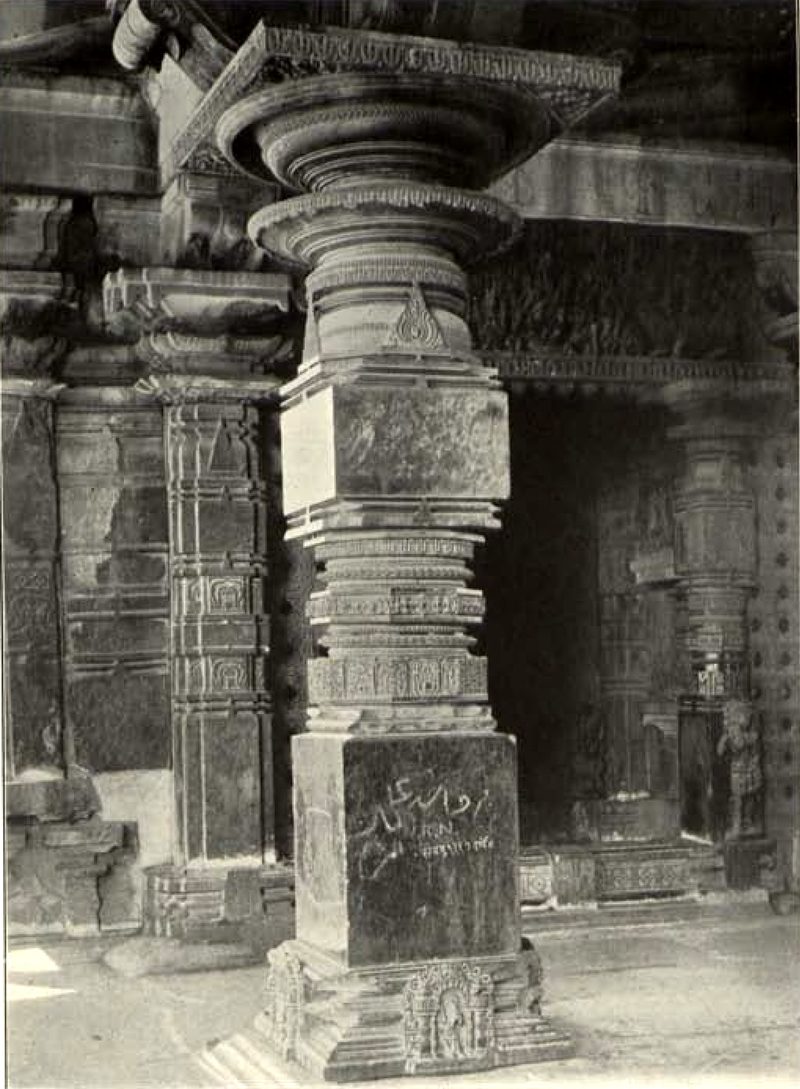
Thousand Pillar Temple
Photo: Hyderabad Archaeological Department, Annual Report of the Archaeological Department of H.H. the Nizam's Dominions for 1915-16, 1917 · Public domain
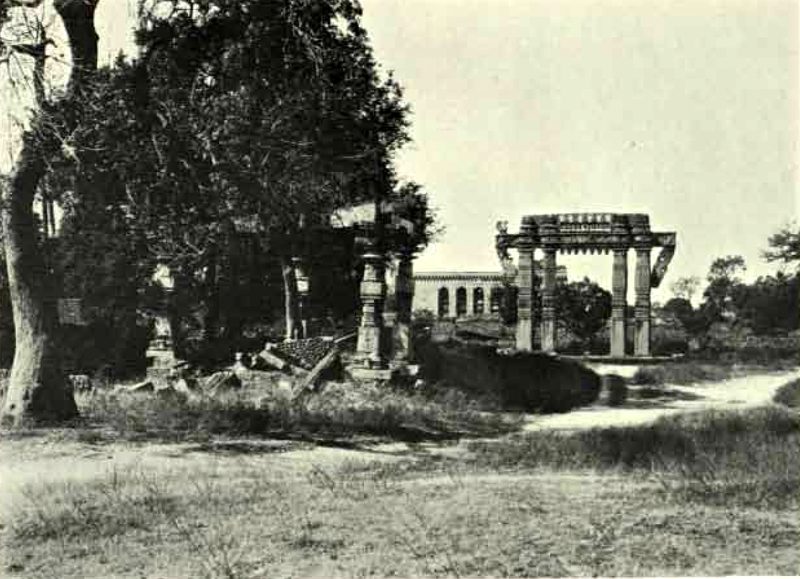
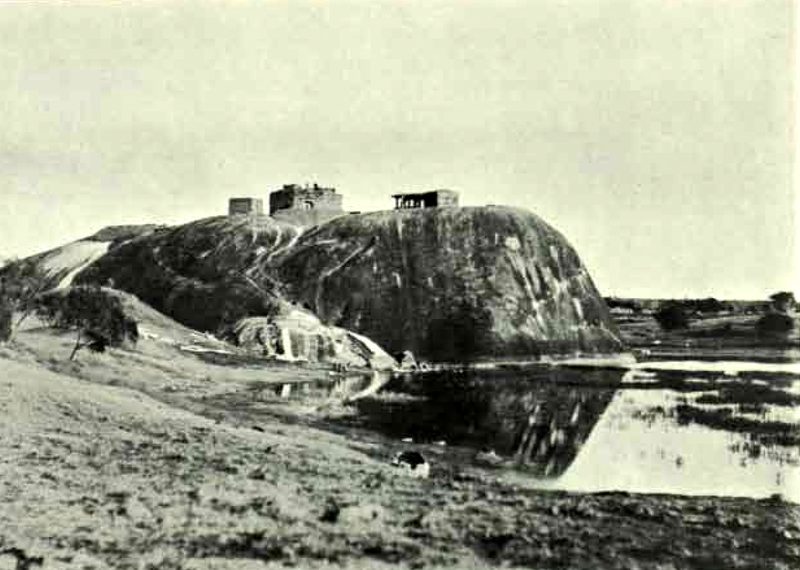
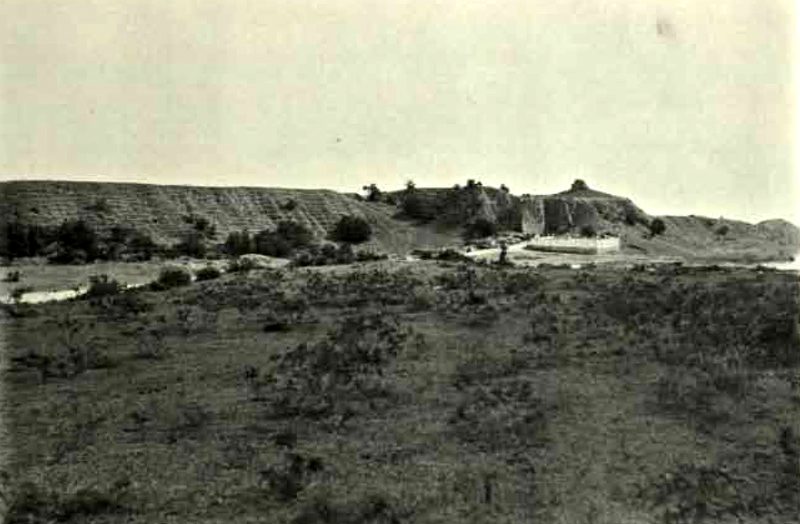
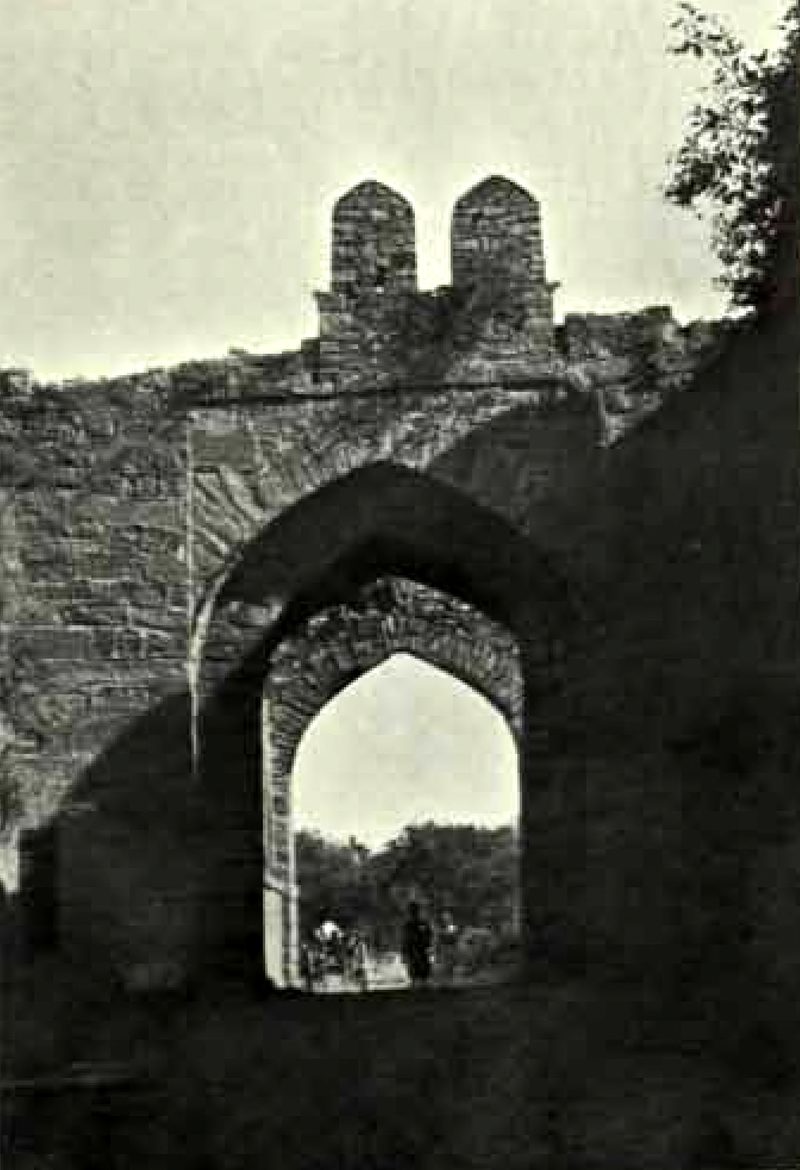
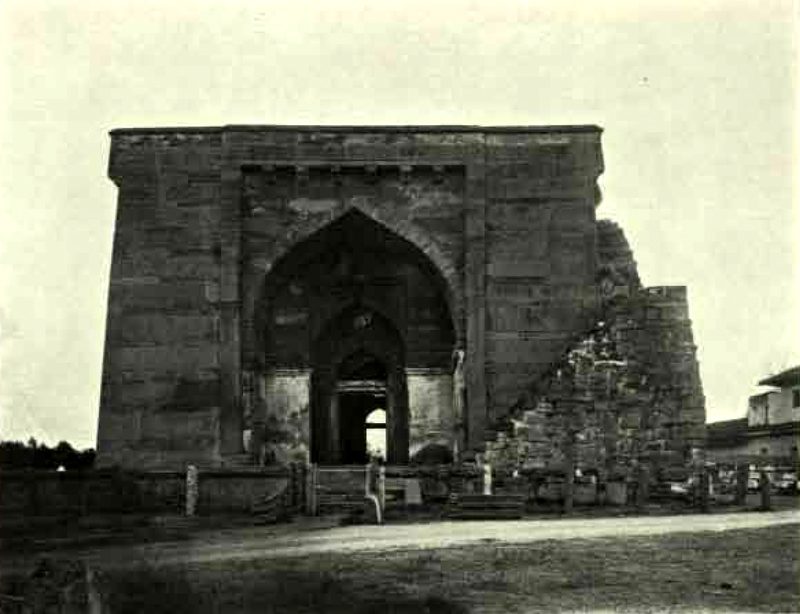
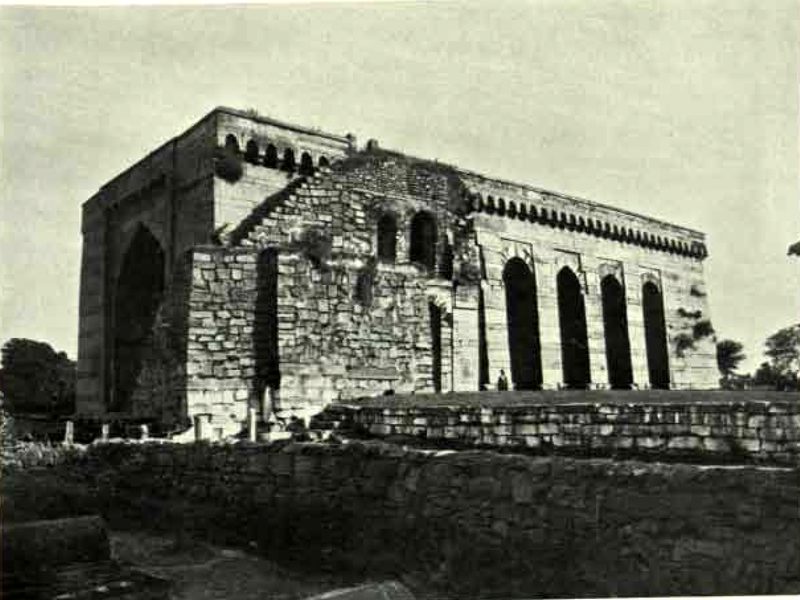
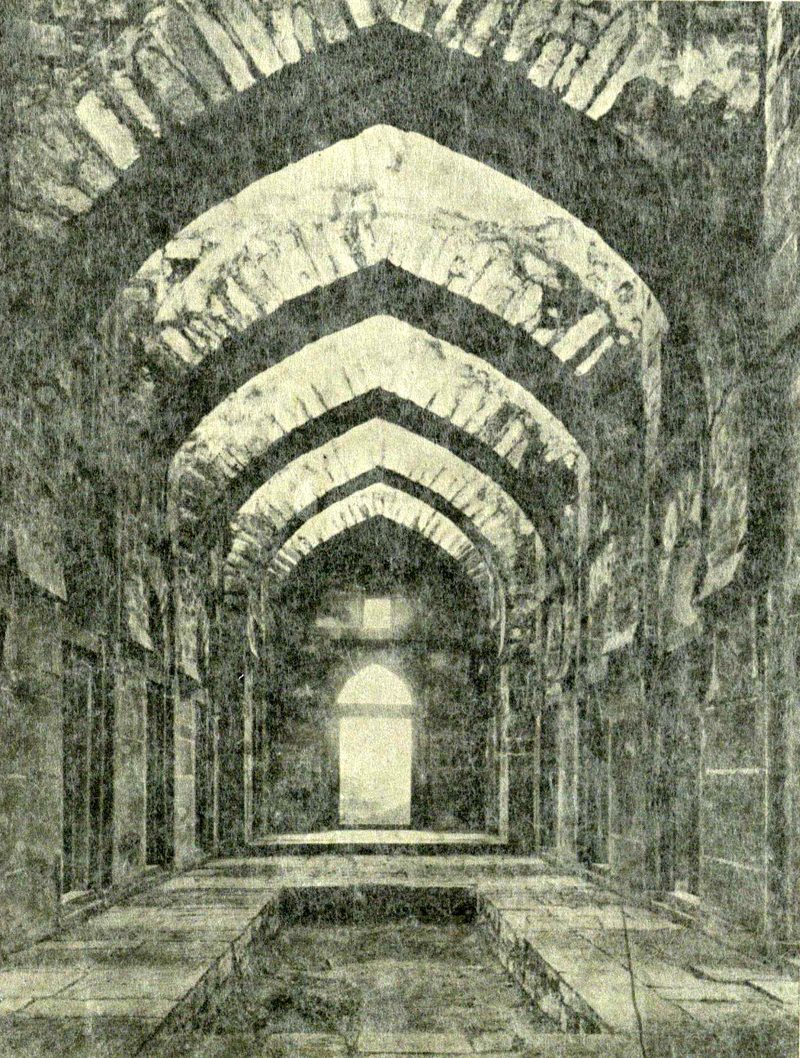
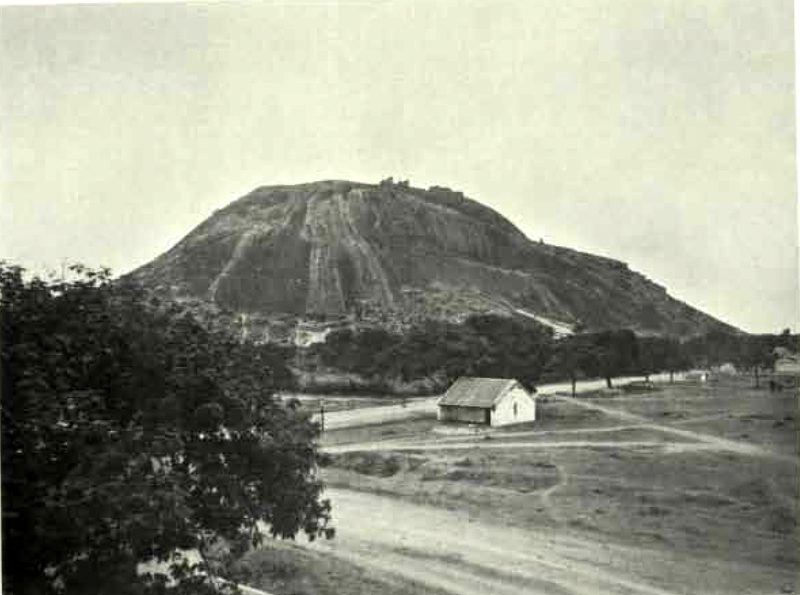
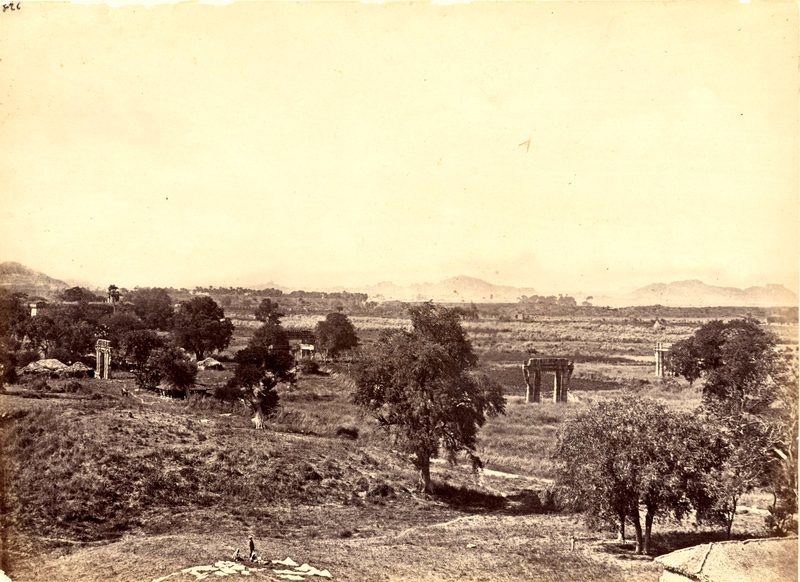
Warangal Fort
Photo: unknown photographer, James Fergusson collection, Boston Public Library, via Digital Commonwealth · Public domain
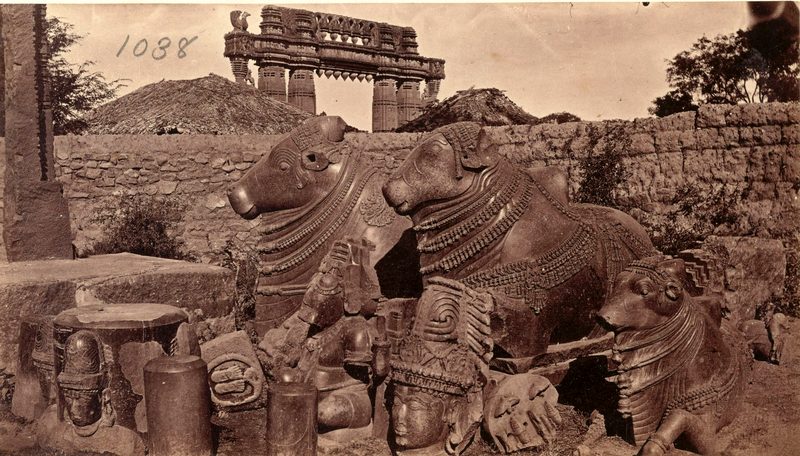
Warangal Fort
Photo: unknown photographer, James Fergusson collection, Boston Public Library, via Digital Commonwealth · Public domain
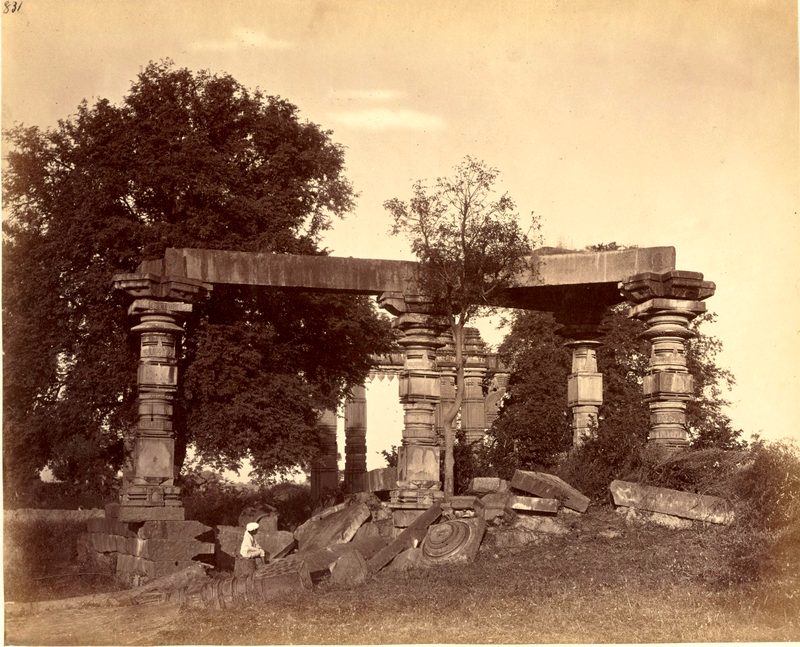
Warangal Fort
Photo: unknown photographer, James Fergusson collection, Boston Public Library, via Digital Commonwealth · Public domain
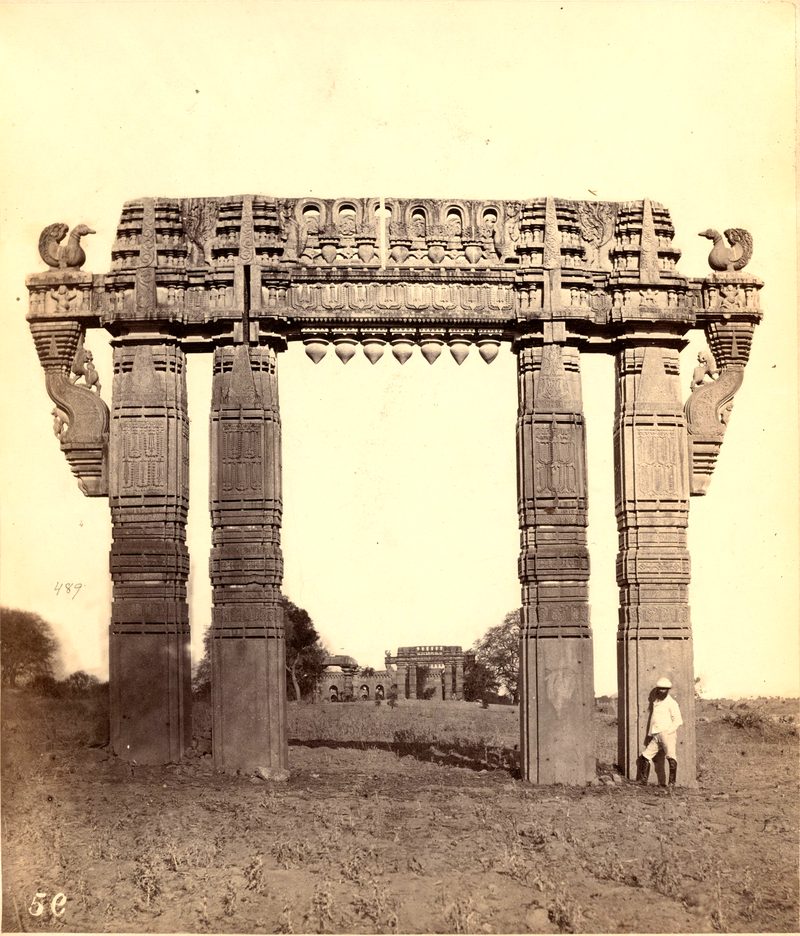
Warangal Fort
Photo: unknown photographer, James Fergusson collection, Boston Public Library, via Digital Commonwealth · Public domain
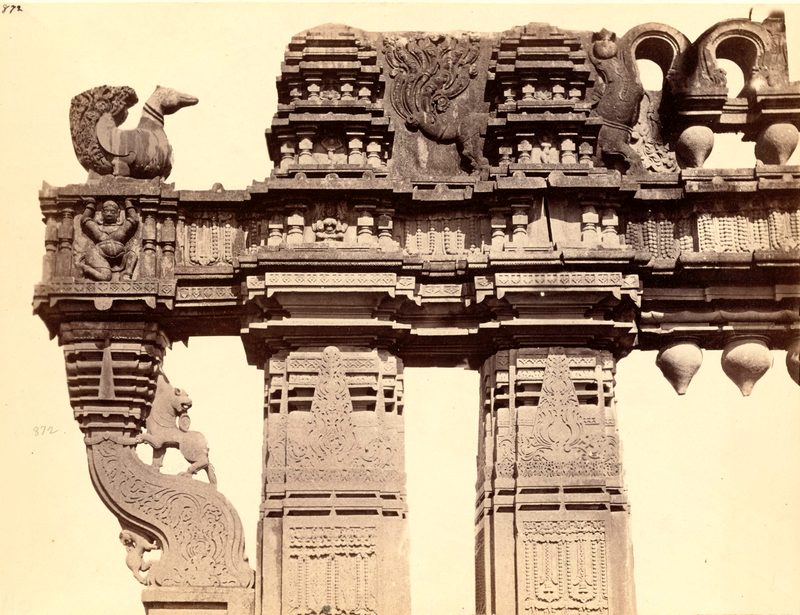
Warangal Fort
Photo: unknown photographer, James Fergusson collection, Boston Public Library, via Digital Commonwealth · Public domain
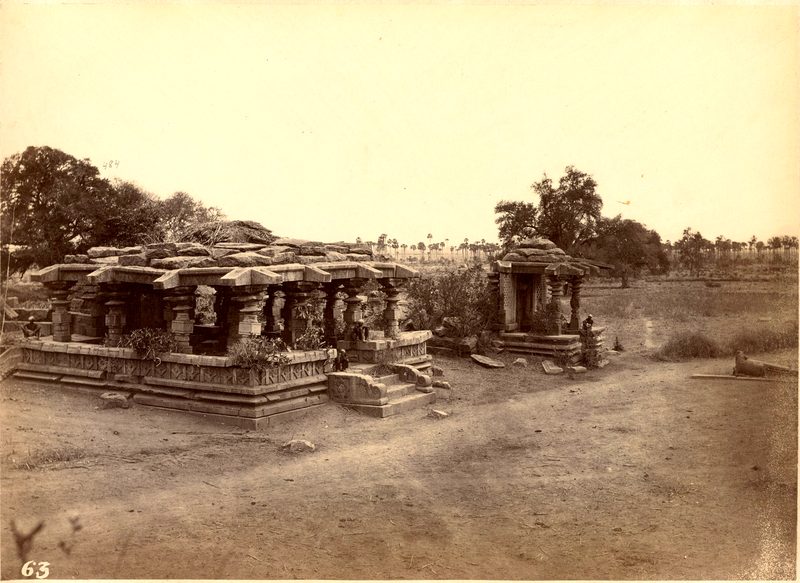
Warangal Fort
Photo: unknown photographer, James Fergusson collection, Boston Public Library, via Digital Commonwealth · Public domain
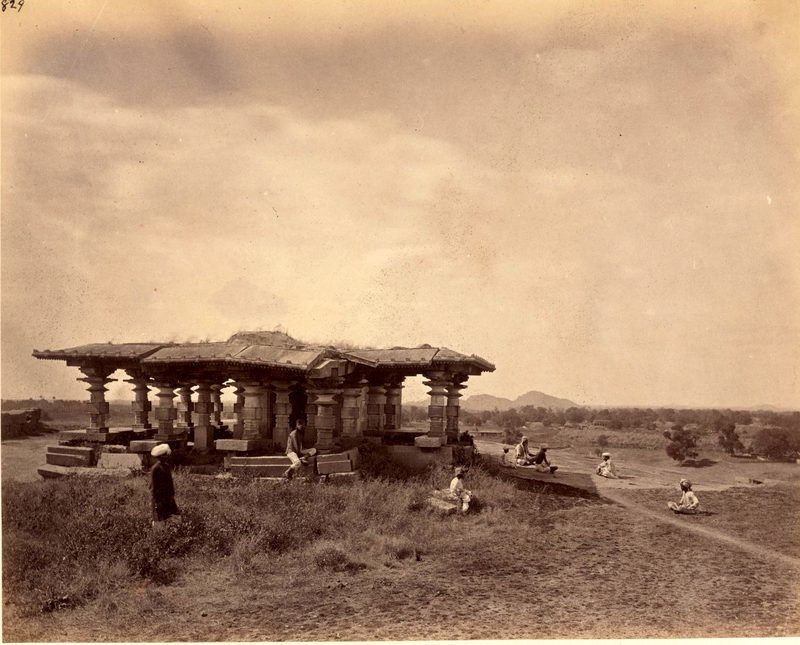
Warangal Fort
Photo: unknown photographer, James Fergusson collection, Boston Public Library, via Digital Commonwealth · Public domain
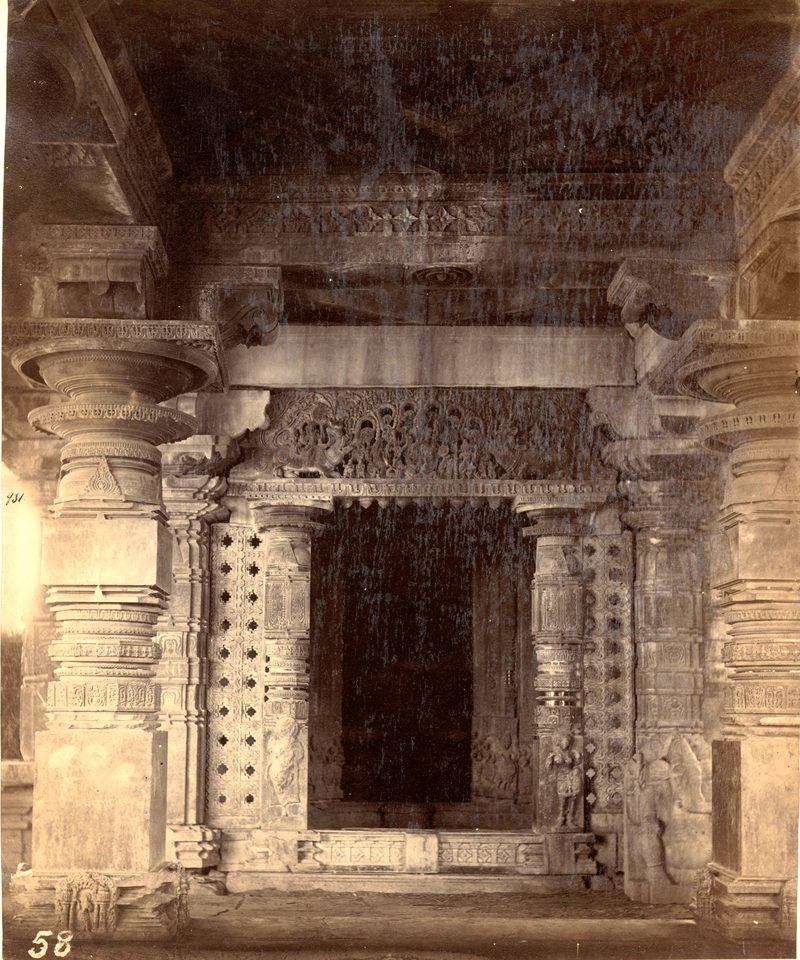
Thousand Pillar Temple
Photo: unknown photographer, James Fergusson collection, Boston Public Library, via Digital Commonwealth · Public domain
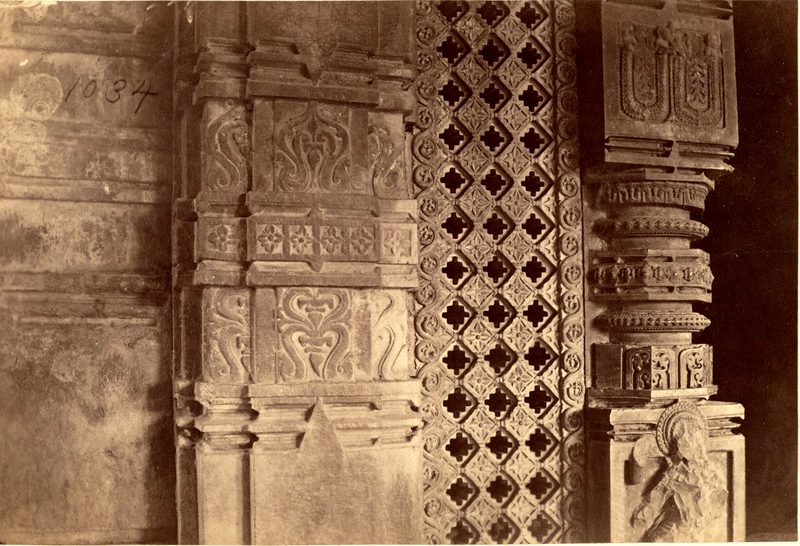
Thousand Pillar Temple
Photo: unknown photographer, James Fergusson collection, Boston Public Library, via Digital Commonwealth · Public domain
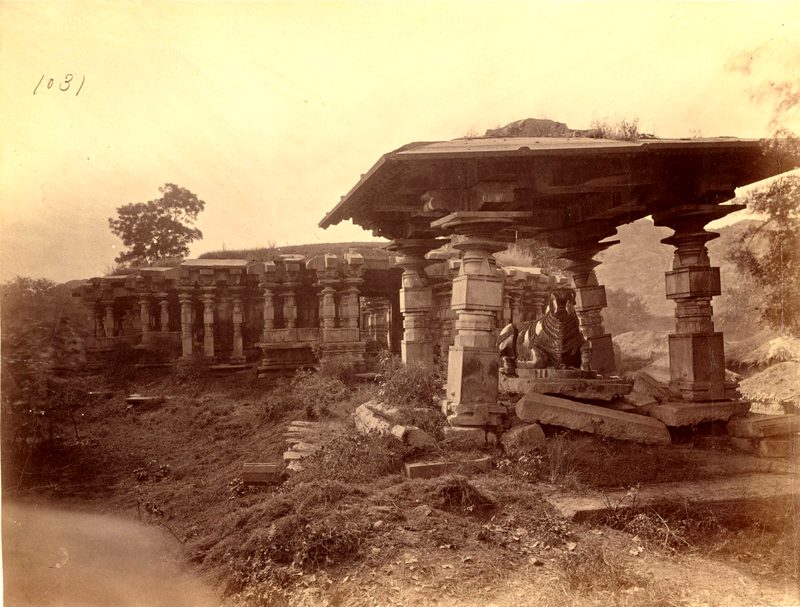
Thousand Pillar Temple
Photo: unknown photographer, James Fergusson collection, Boston Public Library, via Digital Commonwealth · Public domain
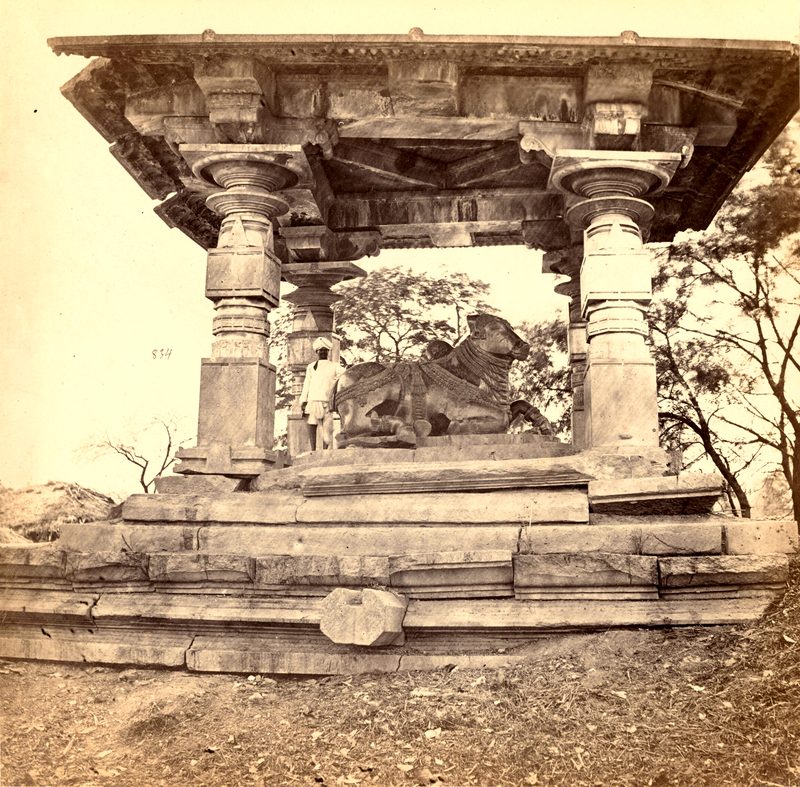
Thousand Pillar Temple
Photo: unknown photographer, James Fergusson collection, Boston Public Library, via Digital Commonwealth · Public domain
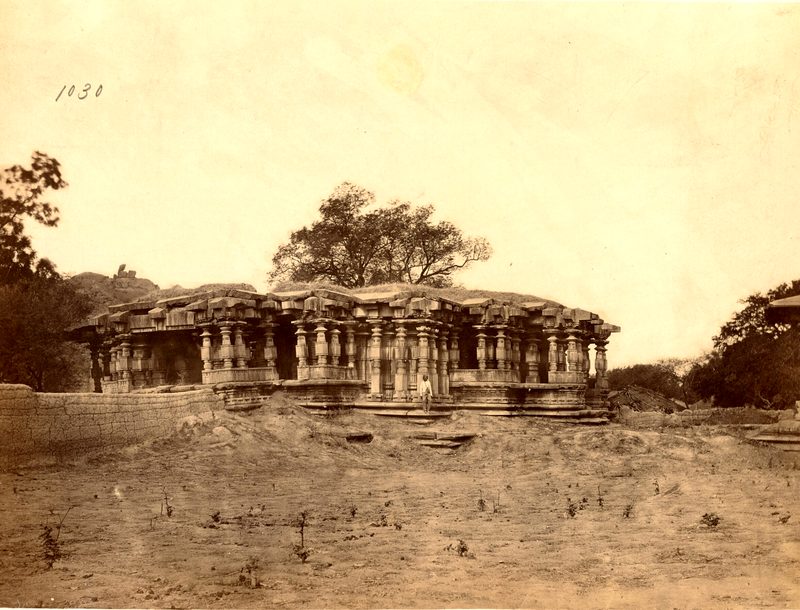
Thousand Pillar Temple
Photo: unknown photographer, James Fergusson collection, Boston Public Library, via Digital Commonwealth · Public domain
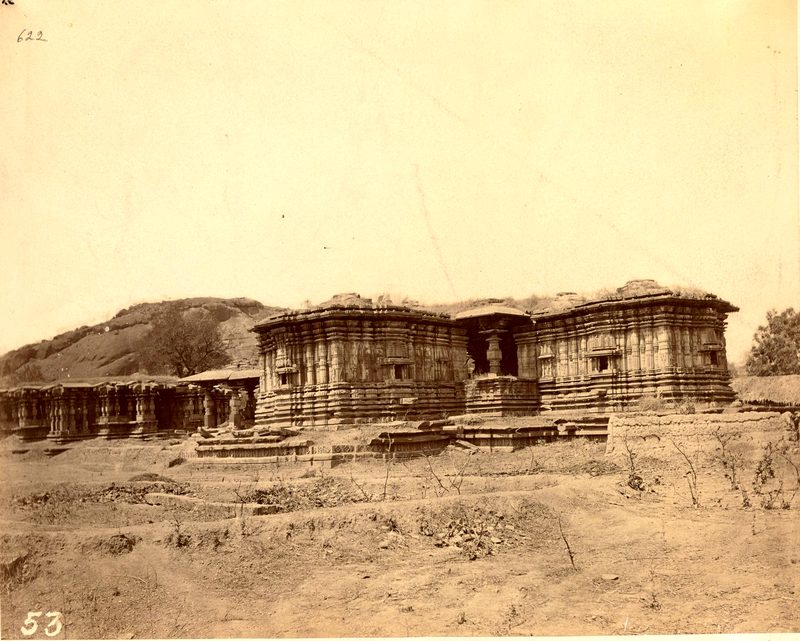
Thousand Pillar Temple
Photo: unknown photographer, James Fergusson collection, Boston Public Library, via Digital Commonwealth · Public domain
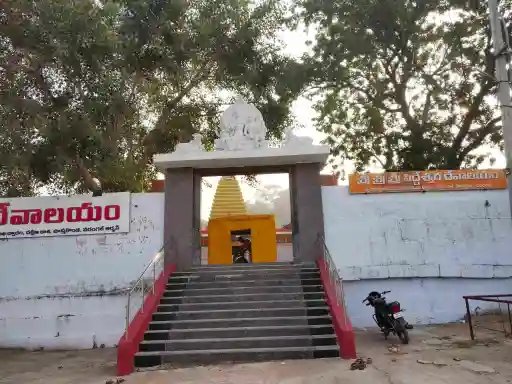
Siddhesvara Temple
Photo: Sudha, Travel & Beautiful carvings (heritage.home.blog), 2020 · © Sudha, heritage.home.blog
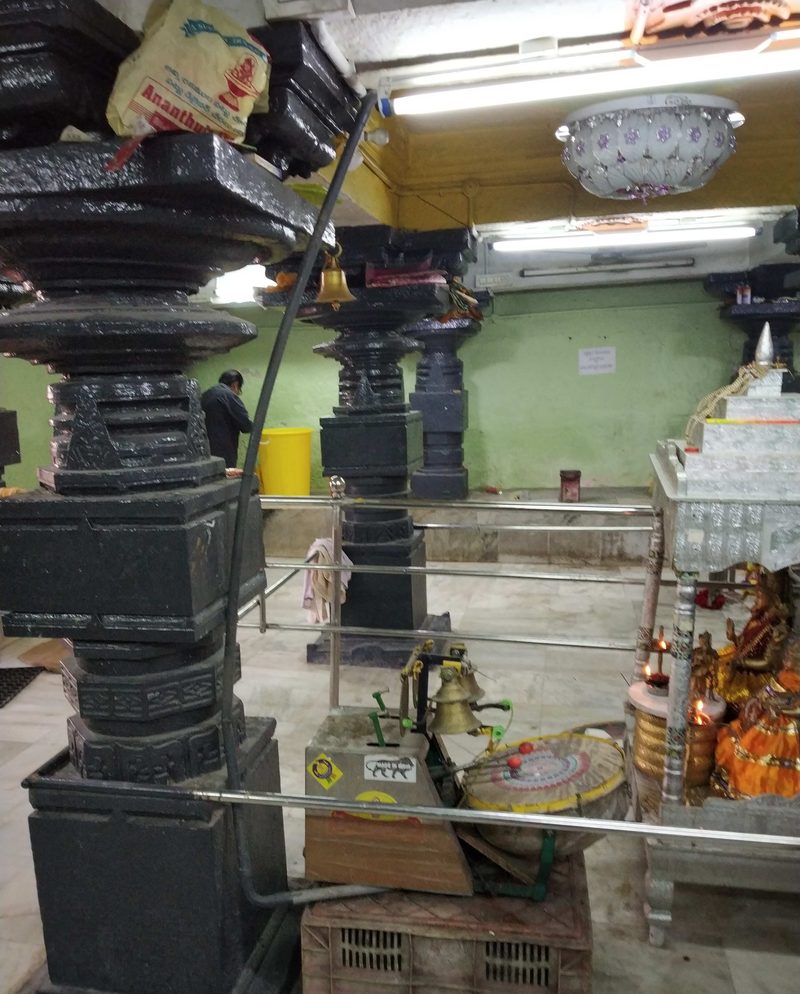
Siddhesvara Temple
Photo: Sudha, Travel & Beautiful carvings (heritage.home.blog), 2020 · © Sudha, heritage.home.blog


.jpg)


.jpg)


.jpg)


.jpg)


_from_hill_in_Warangal_Fort_-_DPLA_-_4416d84a3897ccdc16239d00e0c5be90.jpg)


_Warangal_Fort_-_DPLA_-_24bbf0f959bd7b3d2f54bbcc8567c35d.jpg)


Corrections
Transliteration of site and ruler names varies substantially between sources, and regnal dates are given as ranges where they are contested. Both are deliberate rather than oversights. Where this site is wrong, that should be corrected rather than defended.
Translations
Translated text on this site is machine-generated (IndicTrans2) and has not yet been reviewed by a historian who reads the language and knows the epigraphic literature. Treat it as a reading aid: the English text is authoritative. Inscription abstracts and bibliographic references are kept in English, as they were published.